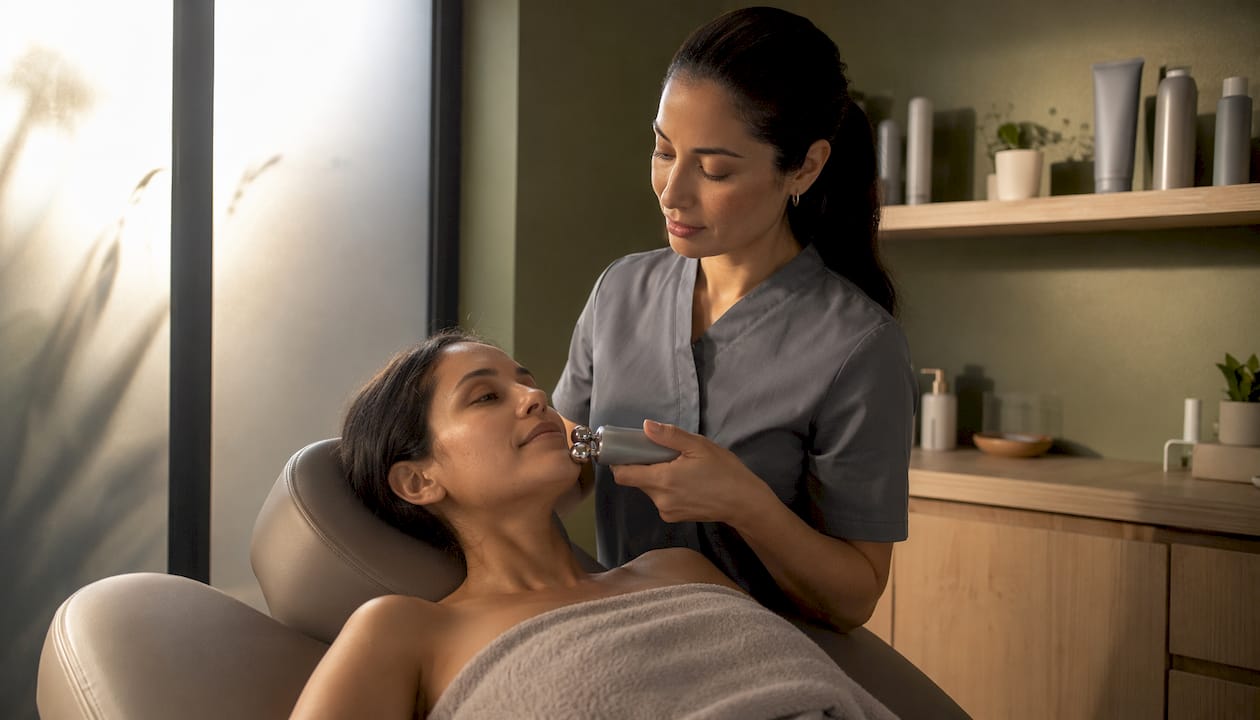
Which professional microcurrent facial devices lead the market?
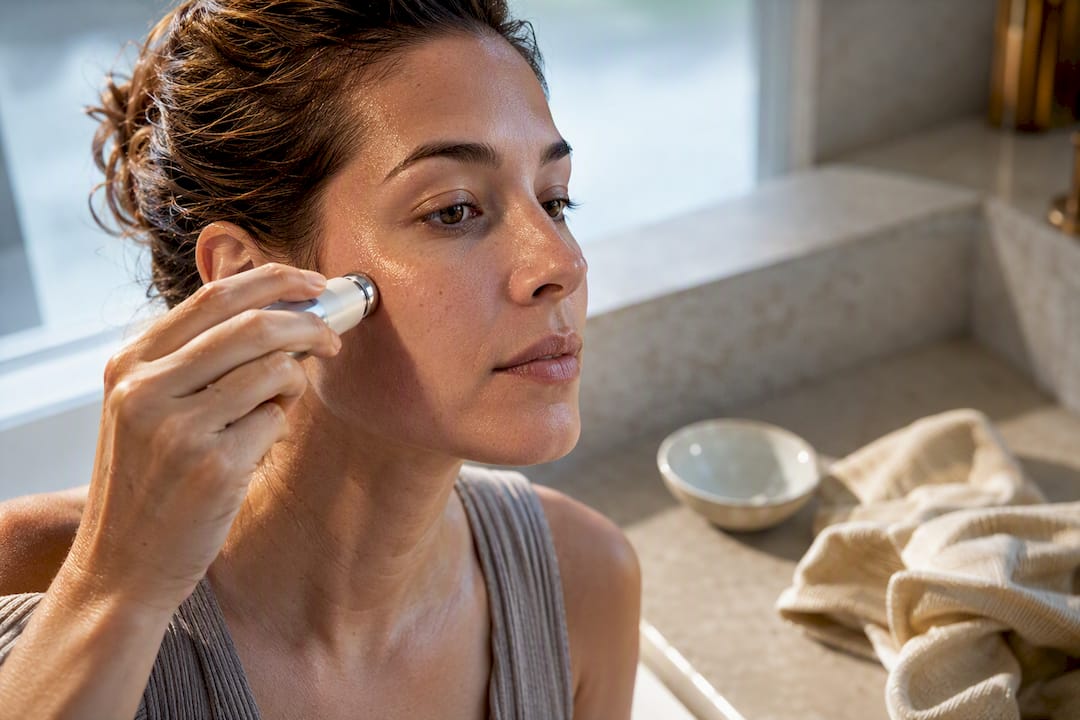
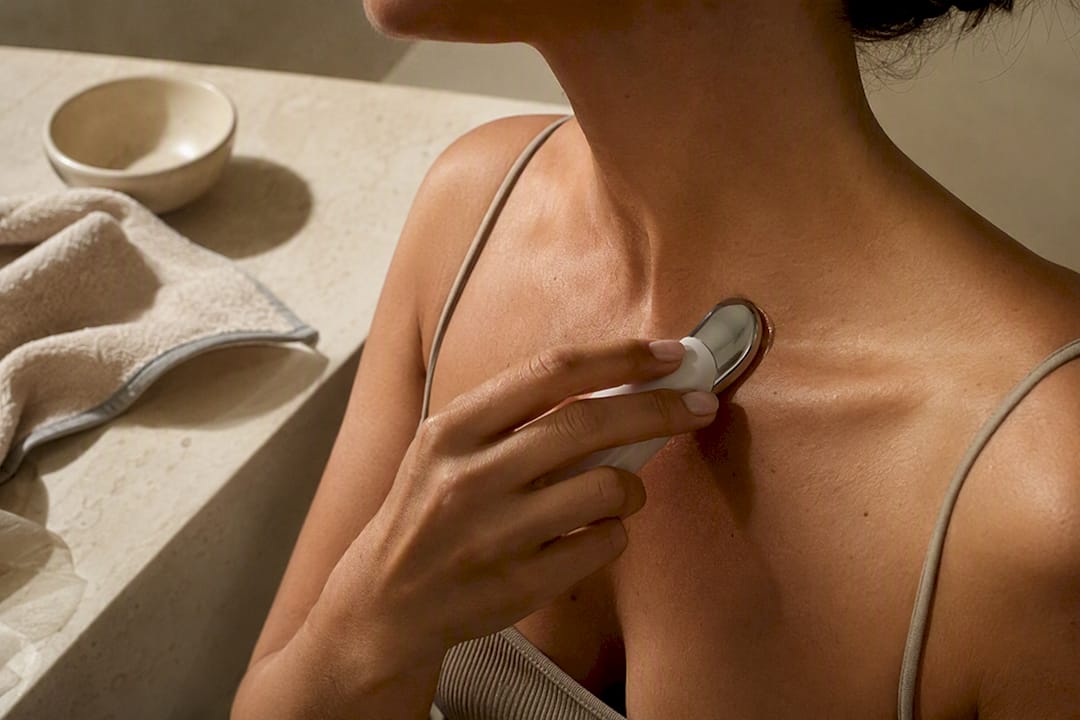
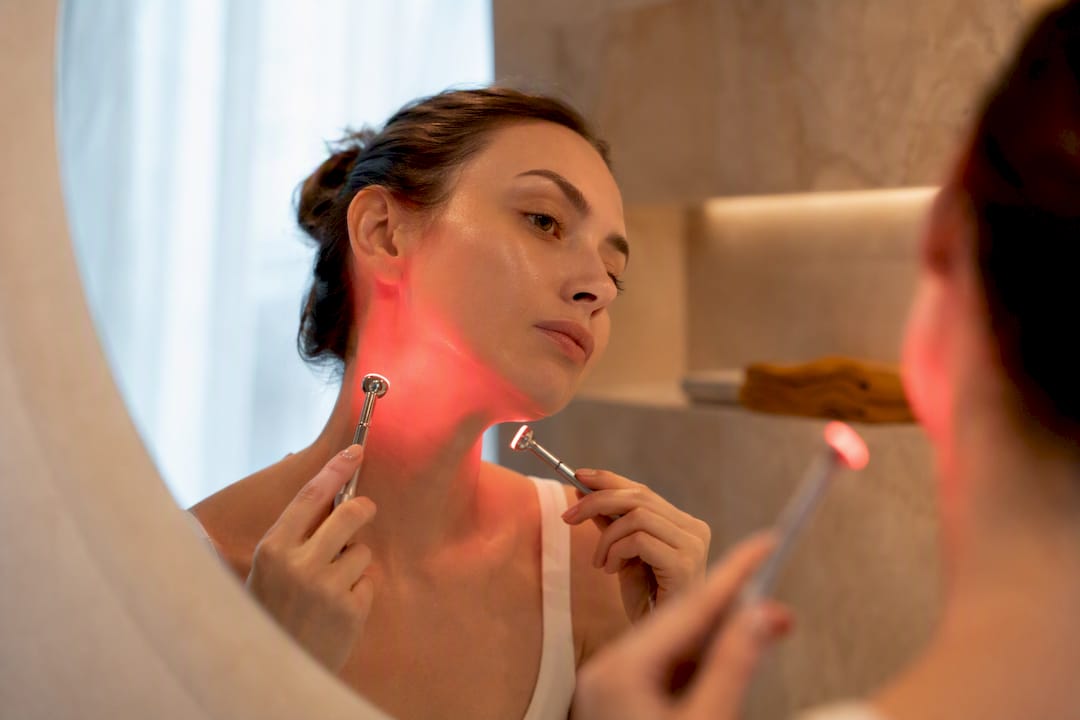
The strongest options for spa and clinic use right now span a price range of roughly $300 to $4,000, with the top tier delivering multi-channel outputs, FDA clearance, and manufacturer training programs that home devices simply cannot match. Professional microcurrent devices work by delivering sub-sensory bioelectric currents that boost ATP production by up to 500%, driving collagen and elastin synthesis while re-educating facial muscles. Clinical trials have reported up to 21% wrinkle reduction with minimal side effects, making these devices a credible revenue driver for licensed estheticians.
| Device | Key Modalities | Best For | Clinic Setting | FDA Cleared |
|---|---|---|---|---|
| Microcurrent Bio-Lift Pro | Microcurrent, muscle toning | Reliable muscle re-education | Spas, medical aesthetic clinics | — |
| MyoLift MD | Microcurrent, lymphatic drainage, iontophoresis | Luxury spas, large chains | High-volume, multifunction clinics | Yes |
| NuFACE | Microcurrent, adjustable intensity | Licensed estheticians, brand-conscious clinics | Boutique to mid-size spas | Yes |
| ZIIP Beauty | Microcurrent, app-controlled protocols | Tech-forward clinics | Modern aesthetic studios | — |
| CurrentBody | Microcurrent, clinical-grade power | Clinics upgrading from consumer devices | Mid-size to large clinics | — |
| Dr. Dennis Gross | Microcurrent, ergonomic skincare integration | Estheticians with product-led protocols | Boutique spas | — |
| FOREO | Microcurrent, LED, cleansing | Portable multifunction needs | Mobile or compact spa settings | — |
| Medicube | Microcurrent, K-beauty contouring | K-beauty focused clinics | Specialty aesthetic studios | — |
A few quick orientation points before the deeper comparison below. Pricing at the professional tier reflects more than wattage. You are paying for multi-channel output architecture, validated waveform programs, and the training infrastructure behind the device. Portability matters too: a device that weighs under two pounds travels between treatment rooms without disrupting workflow, while a cart-mounted system anchors your highest-volume facial suite.
- Microcurrent intensity range varies widely across professional devices, from targeted low-microamp settings for sensitive clients to higher-output channels for deep muscle re-education.
- Multifunction integration (LED, ultrasound, RF, iontophoresis) expands per-session revenue but demands practitioner training to use safely.
- Manufacturer certification programs are a non-negotiable differentiator at this price point.
How do the top devices actually compare?
The gap between a true professional microcurrent device and a souped-up home unit comes down to three things: output architecture, validated treatment programs, and the support structure the manufacturer builds around the device.
MyoLift MD sits at the top of the multifunction category. It combines true microcurrent with lymphatic drainage and iontophoresis in a single platform, and it backs that with formal certification training. For a high-volume luxury spa running back-to-back facials, that combination of modalities and structured onboarding reduces the learning curve for new staff. The device’s pre-programmed settings are clinically validated to mimic natural bioelectric signals, which matters because overstimulation causes nerve fatigue rather than muscle toning.
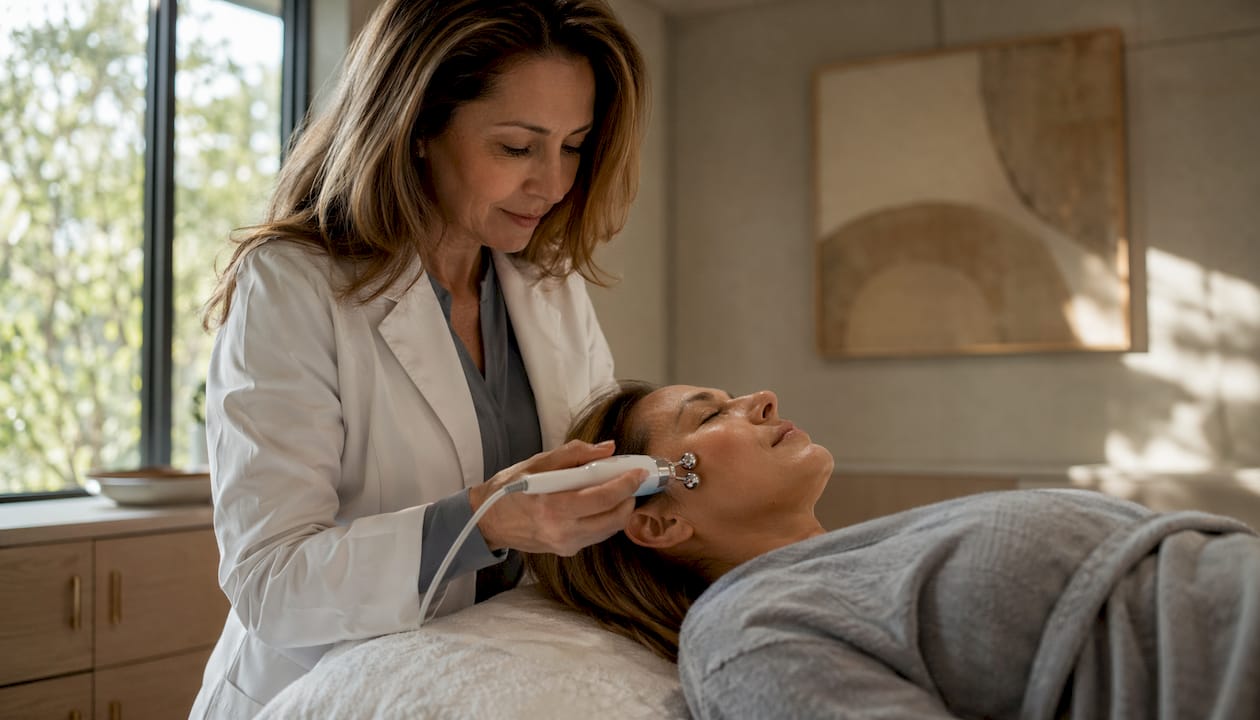
Microcurrent Bio-Lift Pro takes a narrower approach: it focuses on consistent micro-amp delivery for muscle toning without layering in additional modalities. That focus is actually an advantage in medical aesthetic clinics where practitioners want predictable, repeatable results and are less interested in bundling services into a single session.
NuFACE carries FDA clearance and a brand reputation that clients already recognize. For estheticians who want to use a microcurrent device with minimal client education overhead, that brand familiarity shortens the consultation. The adjustable intensity range accommodates first-time clients alongside regulars who have built tolerance over multiple sessions.
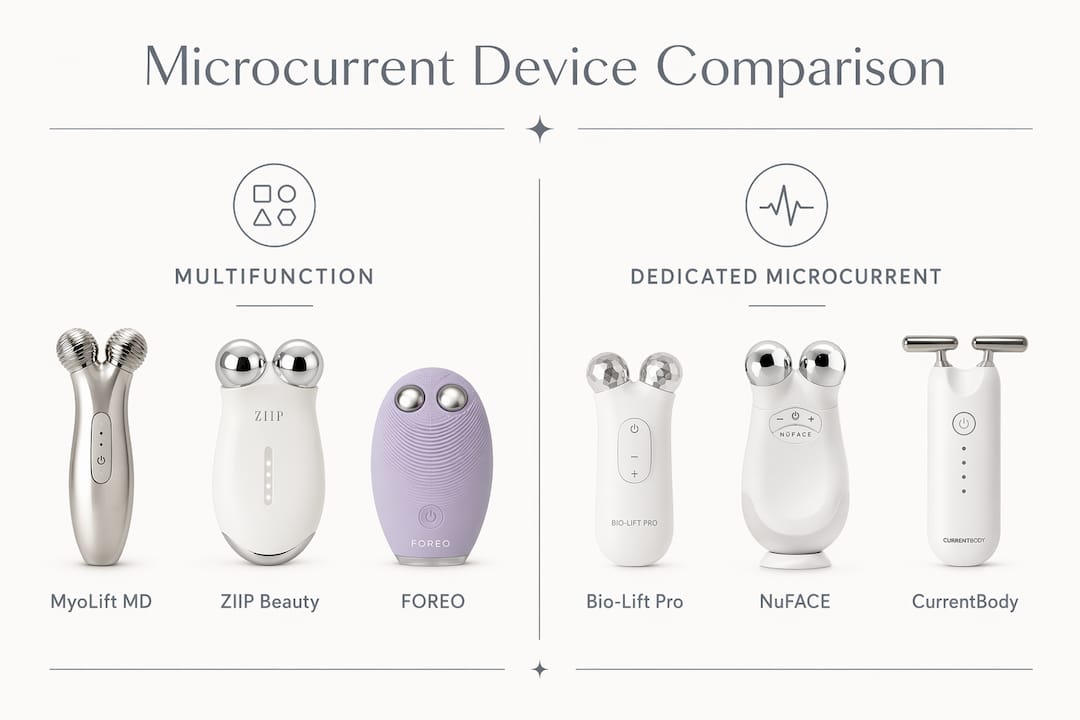
ZIIP Beauty takes a different route entirely. Its smartphone app integration lets practitioners build and save custom treatment protocols, which is genuinely useful for clinics that want to differentiate their menu. The trade-off is that the app layer adds a dependency: if the software updates or the connection drops mid-treatment, you need a workaround.
CurrentBody positions itself as the clinical-grade step up from its popular consumer line. Clinics that already have clients familiar with the brand’s home devices can use that familiarity to upsell professional treatments, framing the in-clinic version as the more powerful alternative.
Dr. Dennis Gross integrates microcurrent with the brand’s skincare product ecosystem, which suits estheticians who build protocols around specific serums and want a device that complements rather than competes with their retail shelf.
FOREO compresses microcurrent, cleansing, and LED into a compact form factor. The portability is real: the device is light enough for mobile estheticians and small treatment rooms where equipment footprint is a constraint. The trade-off is depth. A dedicated microcurrent machine with multi-channel output will outperform a compact multifunction device on pure muscle re-education.
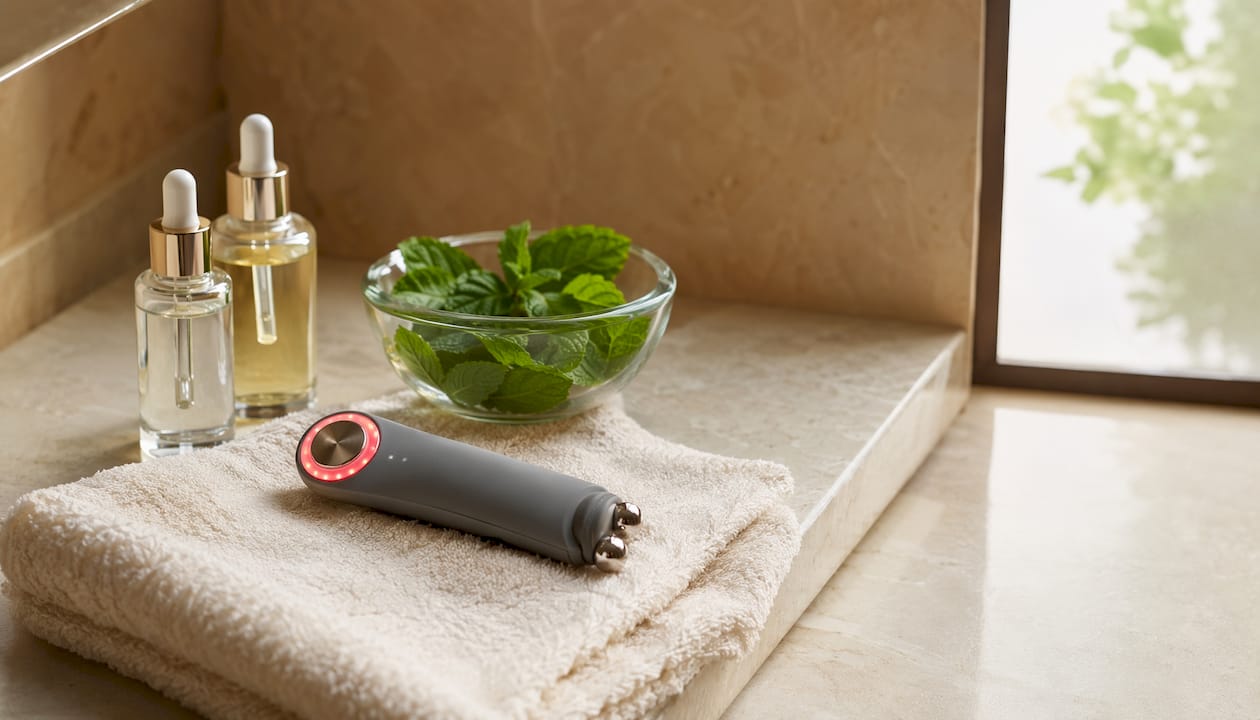
Medicube brings K-beauty contouring technology into the professional space. For clinics catering to clients who follow Korean skincare trends closely, the brand positioning alone drives interest. The device’s contouring focus suits jawline and cheek protocols specifically.
Key differentiators by category:
- Multi-channel output: MyoLift MD and Microcurrent Bio-Lift Pro lead here, enabling simultaneous treatment of multiple facial zones.
- App integration: ZIIP Beauty is the only device in this group with a dedicated smartphone protocol library.
- Brand recognition: NuFACE and Dr. Dennis Gross carry the strongest consumer-facing name recognition, reducing client skepticism.
- Portability: FOREO and Dr. Dennis Gross are the lightest options for mobile or compact settings.
- Niche positioning: Medicube for K-beauty clientele; CurrentBody for clinics with an existing consumer brand relationship.
Warranty and support vary by manufacturer and are worth confirming directly before purchase. Manufacturer training programs, where available, are the clearest signal that a brand takes professional use seriously.
How to choose the right microcurrent device for your clinic
The decision starts with your treatment menu, not the device spec sheet. A boutique spa running one facial chair needs different capabilities than a medical aesthetic center with four treatment rooms and rotating staff.
Start with modality goals. If microcurrent is your primary facial service, a dedicated device with multi-channel output and validated programs gives you the most control. If you want to bundle microcurrent with LED or RF in a single session, a multifunction platform saves equipment cost and floor space, though it demands deeper practitioner knowledge to use each modality correctly.
Verify FDA clearance and regulatory status. The FDA classifies microcurrent devices, and clearance status affects how you can market treatments and what claims you can make to clients. NuFACE and MyoLift MD both carry FDA clearance. For devices without published clearance information, contact the manufacturer directly before purchasing.
Assess training availability. Professional microcurrent devices require proper technique to deliver safe treatments and avoid nerve fatigue. Manufacturers that offer structured certification programs, whether in-person or via video, give your team a documented competency baseline. That documentation also matters for liability purposes.
Match portability to your workflow. A cart-mounted system works in a dedicated facial suite. A handheld device under two pounds works in a mobile setting or a multi-use room where equipment moves between clients.
Budget realistically. Entry-level professional devices start around $300, while full-featured multifunction platforms reach $4,000. The higher price buys multi-channel architecture, validated software, and manufacturer support, not just more power.
Selection checklist:
- FDA clearance status confirmed
- Manufacturer training program available (in-person or remote)
- Intensity range appropriate for your client demographics
- Modality integration matches your service menu
- Portability fits your treatment room setup
- Warranty terms and replacement part availability verified
- Conductive gel or consumable compatibility confirmed
Pro Tip: Before committing to any professional device, ask the manufacturer for a demo session or a trial period. Running the device on a willing staff member for one full treatment protocol reveals ergonomic issues and workflow friction that no spec sheet will show you.
Professional use guidelines and contraindications
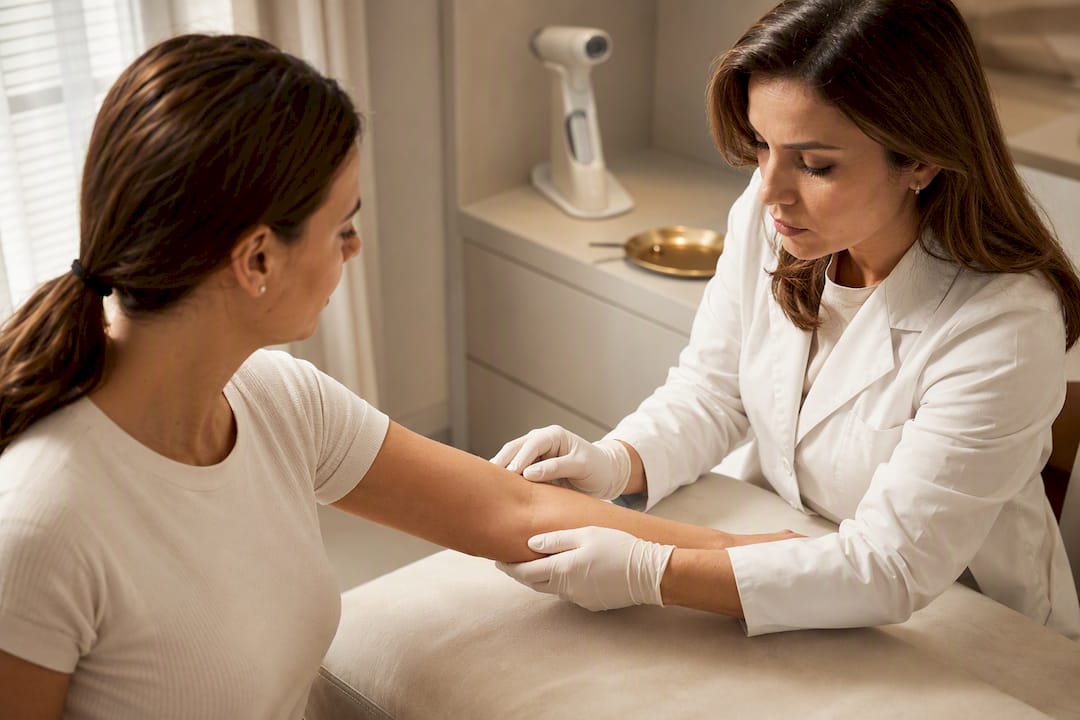
Standard contraindications for microcurrent treatments are non-negotiable: clients with pacemakers, metal implants, or open skin lesions should not receive treatment. Clients who have had recent neurotoxin injections, such as Botox, should also be deferred because microcurrent targeting paralyzed muscles is ineffective and potentially inappropriate until muscle activity returns.
Proper technique prevents the most common professional error: nerve fatigue from overstimulation. Treatments should be completely painless, and any tingling beyond a mild sensation signals that intensity needs to be reduced. Licensed estheticians emphasize that the goal is muscle re-education, not maximum stimulation.
Device hygiene and calibration are often overlooked in professional settings. Probes and electrodes require cleaning between clients according to manufacturer protocols. Calibration schedules vary by device, but any device showing inconsistent output or unexpected client sensations should be taken out of service until inspected.
Professional practice guidelines:
- Complete a thorough client intake form screening for all contraindications before every session.
- Confirm no recent neurotoxin treatments within the timeframe specified by your device’s protocol guidelines.
- Keep intensity at the lowest effective level. More current does not produce better results; optimal intensity enhances ATP production without overstimulation.
- Clean and sanitize all contact surfaces and probes between clients.
- Document treatment settings per session to track client response over time.
- Maintain current certification and refresh training when device software or protocols are updated.
- Never perform microcurrent treatments over active skin lesions, inflamed acne, or compromised skin barrier.
Statistic callout: Clinical research reports that microcurrent enhances ATP production by up to 500% and has demonstrated up to 21% wrinkle reduction in trials, with side effects limited to transient erythema and mild tingling.
Glowera carries the brands your clinic is already evaluating
If you have read this far, you are probably comparing two or three of the devices above and wondering where to actually buy them with confidence. Glowera stocks NuFACE, ZIIP Beauty, CurrentBody, Dr. Dennis Gross, FOREO, and Medicube as an authorized retailer, with 100% authentic products and free shipping thresholds that make professional orders practical.
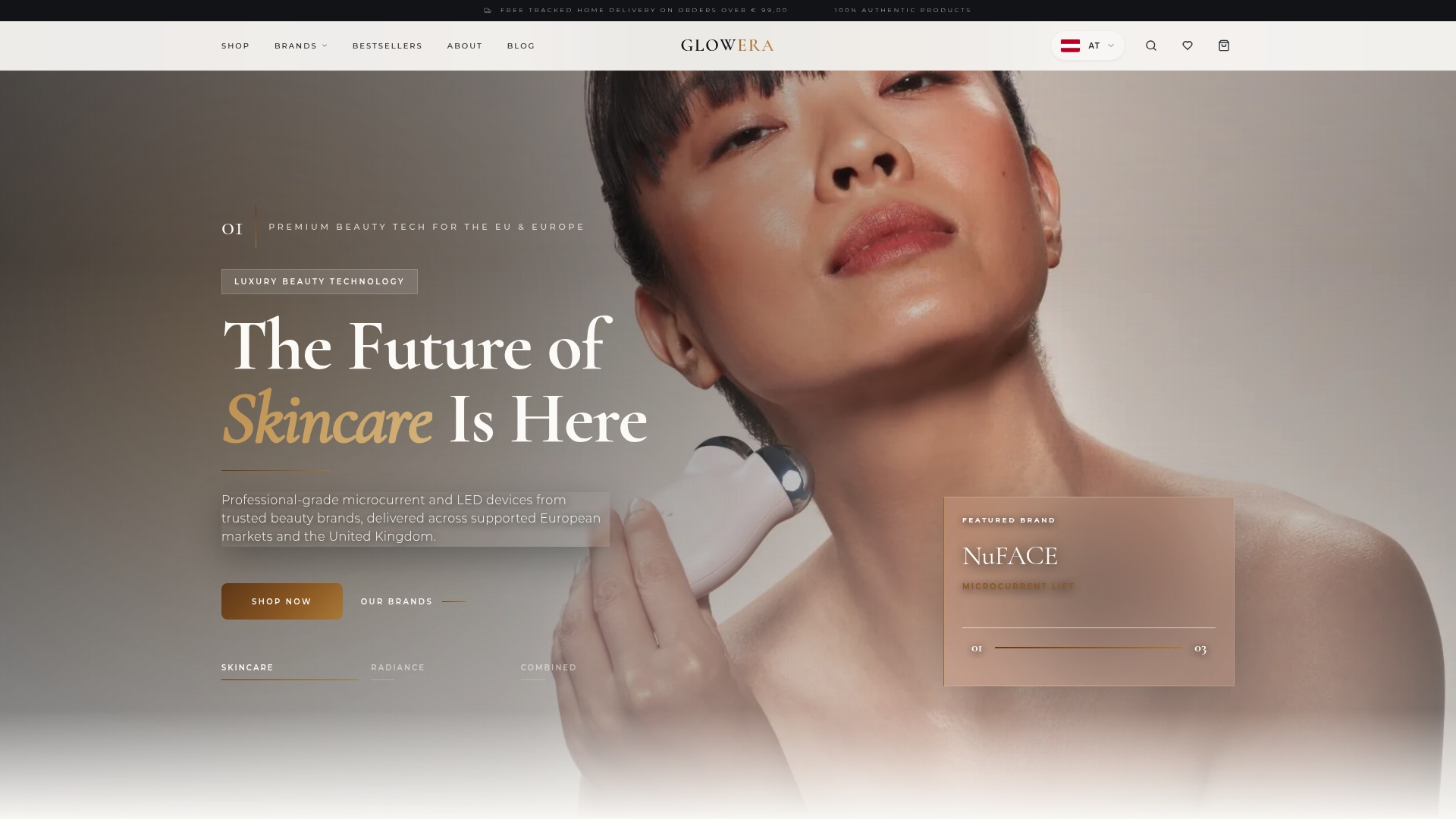
The difference from buying direct or through a gray-market distributor is straightforward: Glowera provides brand-authorized product with full manufacturer warranty eligibility, plus access to compatible conductive gels and targeted serums that complete your treatment protocols. For clinics that want to add LED therapy alongside microcurrent, Glowera’s catalog covers that integration too. Browse the full microcurrent device catalog to compare models, check current availability, and order with the assurance that what arrives is exactly what the manufacturer intended.
Key Takeaways
Professional microcurrent facial devices at the $300–$4,000 price tier deliver multi-channel output, validated treatment programs, and manufacturer training that home devices cannot replicate, making device selection a clinical decision as much as a purchasing one.
| Point | Details |
|---|---|
| ATP and clinical efficacy | Microcurrent boosts ATP production by up to 500% and has shown up to 21% wrinkle reduction in clinical trials. |
| Price range for professional devices | US market professional devices range roughly $300 to $4,000 depending on modalities and output architecture. |
| Contraindications are non-negotiable | Clients with pacemakers, metal implants, open lesions, or recent neurotoxin injections must be screened out before treatment. |
| Training determines outcomes | Manufacturer certification programs prevent nerve fatigue, ensure safe delivery, and protect clinic liability. |
| Glowera for authorized purchasing | Glowera stocks NuFACE, ZIIP Beauty, FOREO, Medicube, CurrentBody, and Dr. Dennis Gross as an authorized retailer with full warranty eligibility. |