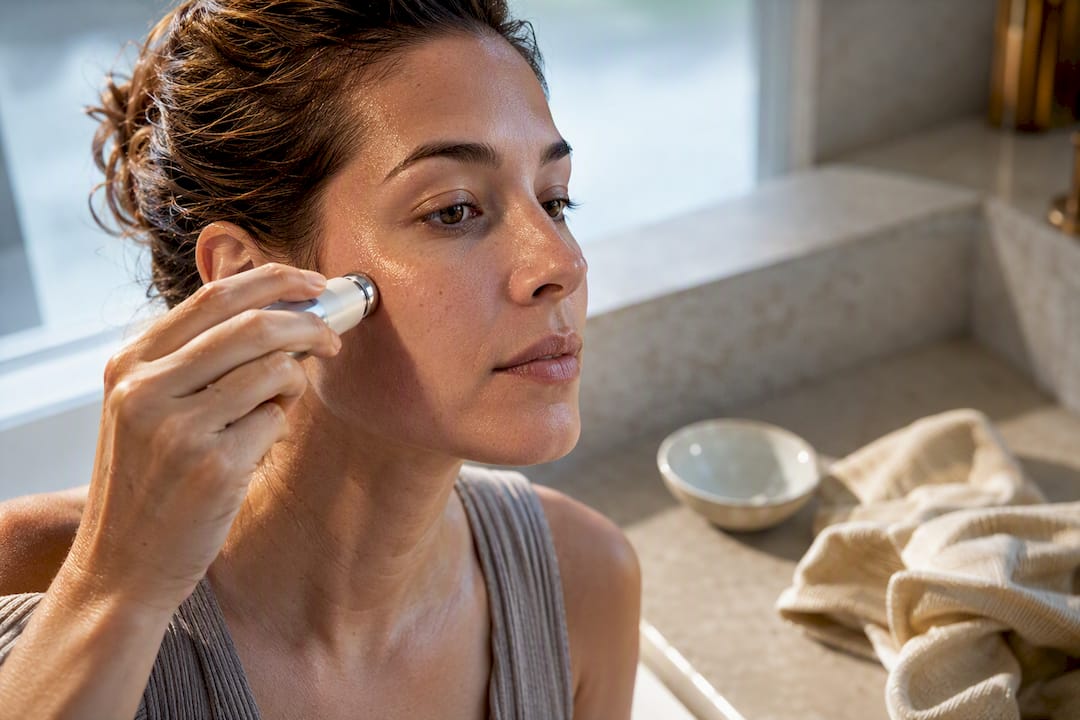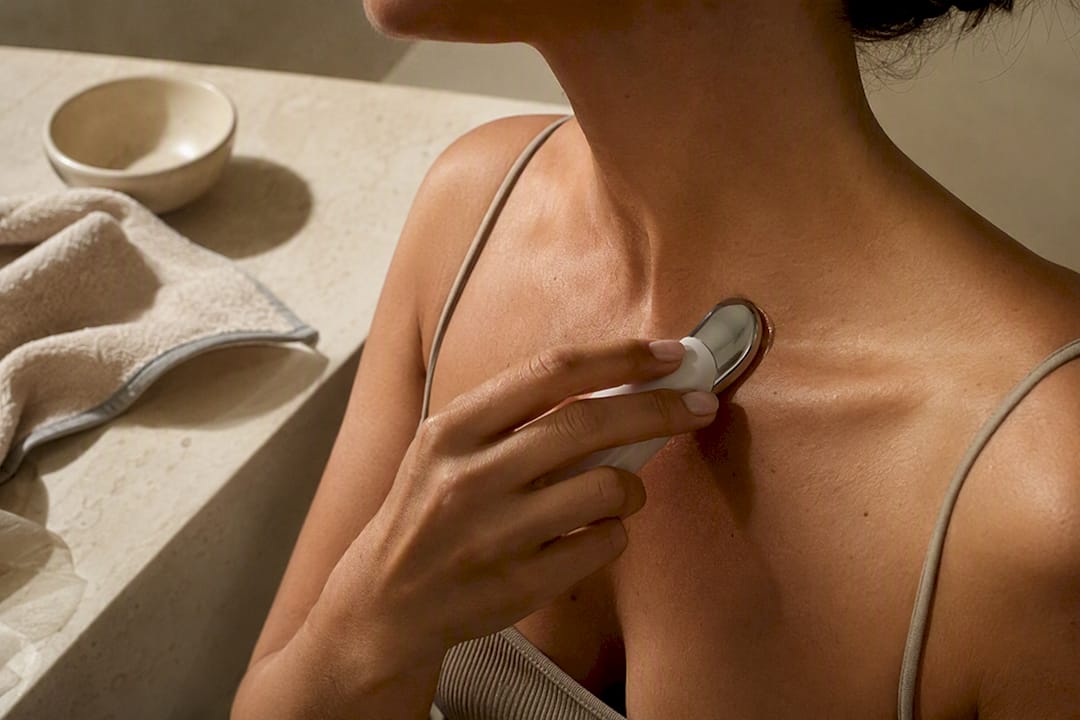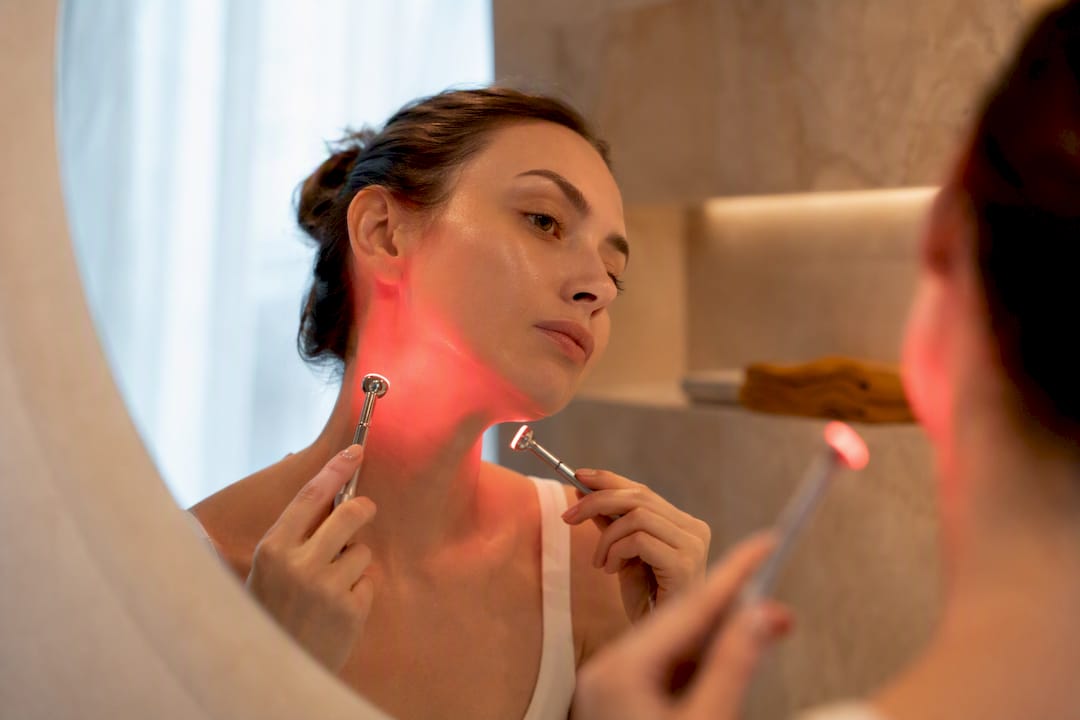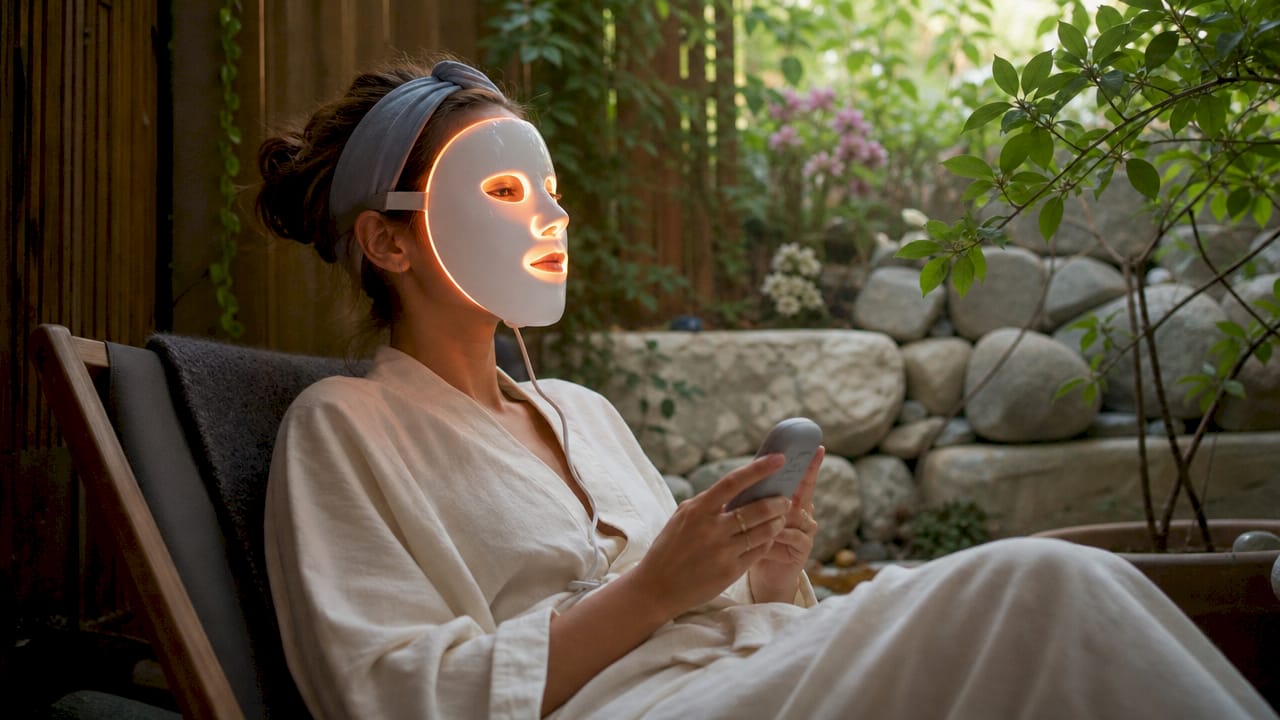
LED face masks are defined as wearable light therapy devices that use specific wavelengths of light to stimulate skin cells, reduce inflammation, and support collagen production. The formal clinical term for this process is photobiomodulation, a mechanism with decades of peer-reviewed research behind it. LED face mask benefits include improved skin elasticity, reduced fine lines, and clearer skin from acne, all achievable at home with consistent use. The key word is “consistent.” These devices work cumulatively, not overnight, and understanding how each wavelength functions helps you choose the right tool for your skin concern.
How does LED light therapy actually work on skin?
Photobiomodulation is the process by which specific light wavelengths penetrate skin tissue and activate mitochondria inside skin cells. Activated mitochondria produce more ATP, the energy currency cells use to repair, regenerate, and synthesize proteins like collagen. This is not a cosmetic trick. It is a measurable cellular response, and it is why LED therapy has moved from dermatology clinics into home devices.
Different wavelengths reach different depths in the skin. Red light at 630–660 nm stimulates collagen production in the dermis. Near-infrared light at 800–850 nm penetrates even deeper, reaching muscle and connective tissue to reduce inflammation and support healing. Blue light at approximately 415 nm stays near the surface, where it targets Cutibacterium acnes, the bacteria responsible for most inflammatory acne.
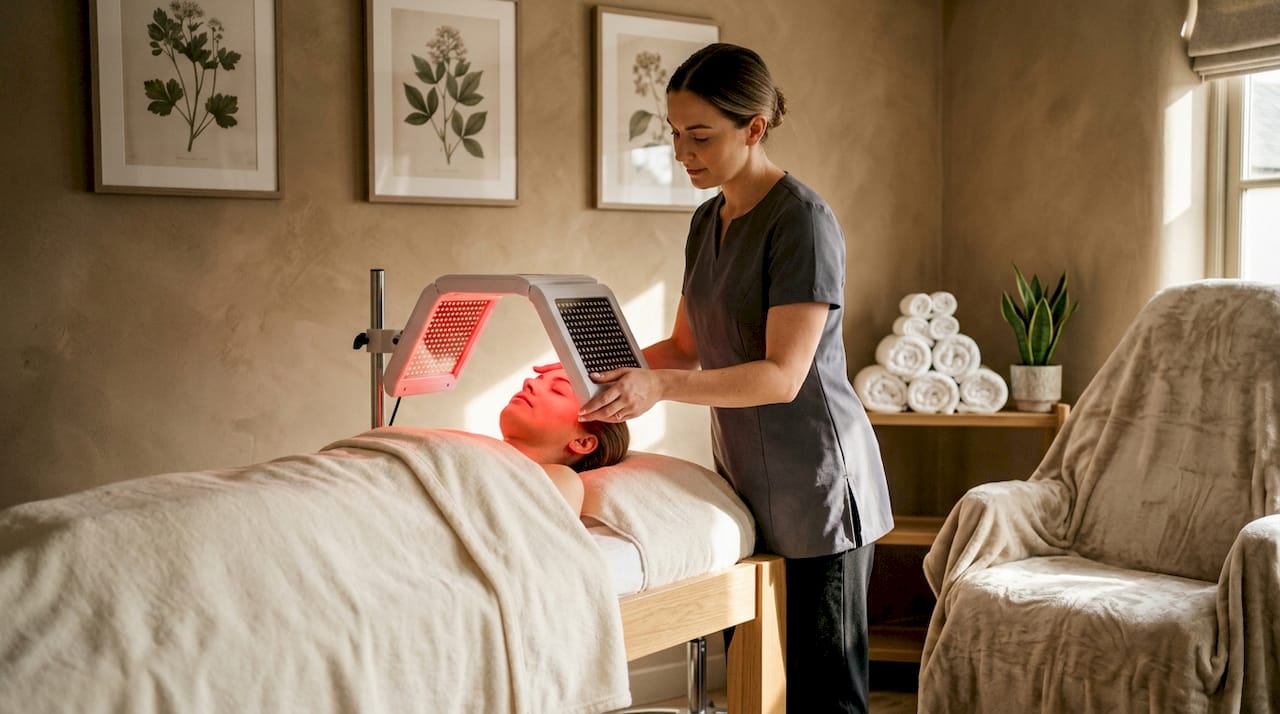
Consumer LED masks typically deliver blue light at 400–500 nm for acne and red or near-infrared light for anti-aging and inflammation control. Output power in home devices runs approximately 5–35 mW/cm², delivering 1–5 J/cm² per session. That is a meaningful dose, but it is lower than what professional clinic systems provide.
Pro Tip: Apply your LED mask to clean, dry skin with no SPF or photosensitizing serums. Retinol and certain acids can increase light sensitivity, so use those products after your session, not before.
What are the benefits of different LED mask colors?
The color of light determines the skin concern it addresses. This is the most practical piece of information for anyone choosing a device, and it is where most buyers go wrong by picking a mask without matching the wavelength to their goal.
Red light: collagen and anti-aging
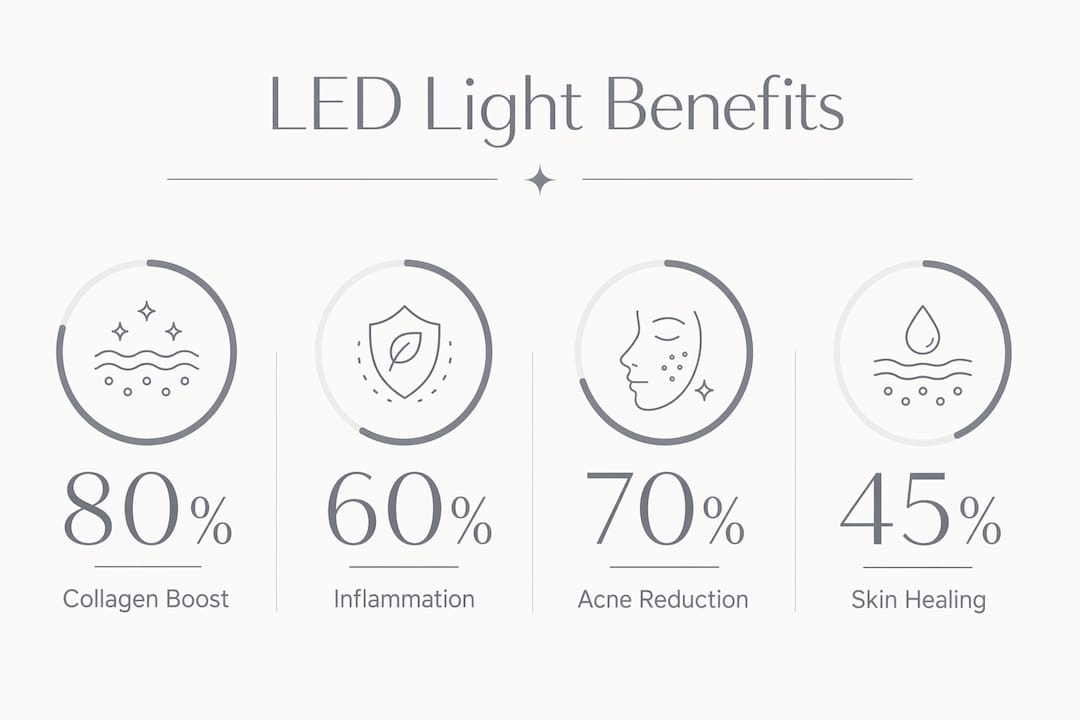
Red light is the most studied wavelength for skin rejuvenation. It stimulates fibroblasts to produce collagen and elastin, which reduces the appearance of fine lines and improves skin firmness. A 2005 study showed 90% of participants had improved aging signs after consistent red light use. That figure reflects what dermatologists now consider a realistic ceiling for this technology: meaningful improvement, not complete reversal.
Near-infrared light: healing and inflammation
Near-infrared light is invisible to the naked eye but penetrates deeper than red light. It reduces chronic inflammation, supports wound healing, and can improve skin tone over time. People dealing with redness, rosacea, or post-procedure recovery often see the clearest benefit from this wavelength.
Blue light: acne management
Blue light targets acne-causing bacteria directly at the skin surface. It is most effective for mild-to-moderate inflammatory acne and works best as part of a broader skincare routine rather than as a standalone treatment. LED masks promote collagen production, reduce inflammation, and support skin healing, but blue light’s primary role is bacterial reduction, not structural skin repair.
Other colors: limited evidence
Green and yellow light appear in some multi-color devices marketed for hyperpigmentation and redness. The clinical evidence for these wavelengths is far thinner than for red, near-infrared, and blue. If a device markets itself primarily on green or yellow light benefits, treat those claims with caution until more peer-reviewed data exists.
| Light color | Wavelength | Primary skin benefit |
|---|---|---|
| Red | 630–660 nm | Collagen stimulation, wrinkle reduction |
| Near-infrared | 800–850 nm | Deep healing, inflammation reduction |
| Blue | 400–500 nm | Acne bacteria targeting |
| Green | ~520 nm | Hyperpigmentation (limited evidence) |
| Yellow | ~590 nm | Redness reduction (limited evidence) |
Key benefits by wavelength:
- Red light improves elasticity and reduces fine lines with consistent use
- Near-infrared supports healing and reduces chronic skin inflammation
- Blue light reduces acne-causing bacteria on the skin surface
- Multi-color devices offer flexibility but vary widely in clinical support
What results can you realistically expect, and when?
Setting accurate expectations is the single most important thing you can do before starting LED therapy. Most people quit too early because they expect visible results in days. The biology does not work that way.
Visible improvements can start as early as 4 weeks for acne and 6 weeks for overall skin glow. Collagen stimulation, the mechanism behind anti-aging results, typically requires around 12 weeks of consistent use. That timeline is not a marketing estimate. It reflects how long fibroblasts take to produce measurable new collagen.
Here is a realistic progression for most people:
- Weeks 1–4: Skin may feel calmer and look slightly more even. Acne-prone skin often shows the earliest response.
- Weeks 4–6: Skin tone and texture begin to improve. Glow and hydration are the most commonly reported early changes.
- Weeks 6–12: Fine lines soften. Elasticity improves. These changes are subtle but measurable.
- Week 12 and beyond: Collagen remodeling becomes more apparent. Continued use maintains and builds on earlier gains.
Benefits build cumulatively and fade if treatment stops. This is not a one-time fix. Think of LED therapy the way you think of exercise: the results are real, but they require ongoing effort to maintain.
Pro Tip: Track your skin with photos taken in the same lighting every two weeks. LED therapy results are gradual, and photos make it much easier to see real progress that you might otherwise miss in the mirror.
Home devices also deliver lower energy doses than professional systems. Professional systems deliver 20–60 J/cm² per session, while home masks deliver approximately 1–5 J/cm². That gap explains why home use requires longer and more frequent sessions to achieve similar biological effects. It does not mean home devices are ineffective. It means patience and consistency are non-negotiable.
Safety and practical considerations for home use
LED therapy has a strong safety profile when used correctly. The risks are real but avoidable with the right device and proper habits.
- Choose FDA-cleared devices. The market lacks adequate regulation, so many consumer masks make unverified claims. FDA clearance confirms that a device meets defined safety and performance standards. It is the most reliable filter available to consumers.
- Protect your eyes. Blue light in particular poses a risk to retinal tissue with repeated exposure. Many consumer masks lack sufficient eye shielding. Use the goggles provided with your device, or choose a mask designed with built-in eye protection.
- Be cautious with blue light on darker skin tones. Adverse effects are mild and transient when devices are properly used, but blue light carries a hyperpigmentation risk for deeper skin phototypes. People with Fitzpatrick skin types IV–VI should consult a dermatologist before using blue light therapy regularly.
- Maintain your routine. Results fade when treatment stops. Build LED sessions into your weekly schedule the same way you would any other skincare step.
- LED therapy is complementary, not curative. It is not a replacement for severe skin conditions requiring medical treatment. For conditions like cystic acne, active rosacea flares, or significant photodamage, work with a dermatologist and use LED therapy as a supporting tool.
Glowera carries FDA-cleared LED masks from verified brands, which removes much of the guesswork around device quality and safety standards.
Key Takeaways
LED face mask benefits are real, clinically supported, and achievable at home, but only with the right wavelength, a cleared device, and consistent use over at least 12 weeks.
| Point | Details |
|---|---|
| Photobiomodulation drives results | Red and near-infrared light activate mitochondria to boost collagen and reduce inflammation. |
| Color determines the benefit | Red light targets aging, blue light targets acne, near-infrared targets deep healing. |
| Results take weeks, not days | Acne improvement starts around 4 weeks; collagen effects require at least 12 weeks. |
| FDA clearance matters | Unregulated devices vary widely in output; clearance confirms safety and performance standards. |
| Consistency is non-negotiable | Benefits build cumulatively and fade when treatment stops, so regular use is required. |
Why I think most people use LED masks wrong
I have followed the LED therapy space for years, and the pattern I see most often is this: someone buys a quality device, uses it enthusiastically for three weeks, sees nothing dramatic, and puts it in a drawer. That is not a failure of the technology. That is a failure of expectation management.
The science behind photobiomodulation is credible. The peer-reviewed literature on red light and collagen is not thin. What is thin is the patience most people bring to the process. Collagen remodeling is a biological process measured in months, not a cosmetic effect measured in days. When you understand that, the entire calculus changes.
My honest take is that LED masks are among the most underrated tools in a home skincare routine, precisely because their benefits are gradual and therefore easy to dismiss. The people who get the most out of them treat sessions like a habit, not a treatment. They use their device five or more times a week, they pair it with a solid moisturizer and SPF routine, and they do not expect miracles. What they get instead is steady, real improvement in skin texture, tone, and firmness over three to six months.
The other mistake I see is buying a device based on price alone. A mask that costs a fraction of a cleared device almost certainly delivers a fraction of the clinical dose. Device quality and fit directly affect how much light actually reaches your skin. A poorly fitting mask with low output power is not a bargain. It is a waste of time.
If you are serious about LED therapy, choose a device with documented wavelengths, verified output power, and FDA clearance. Pair it with a red light face mask designed for anti-aging or a blue light mask for acne, depending on your primary concern. Then commit to 12 weeks before you evaluate results.
— Gilda
Glowera’s selection of LED skincare devices
Glowera carries a curated range of LED therapy masks from brands with documented clinical performance and FDA clearance. Whether your focus is anti-aging with red and near-infrared light or acne management with blue light, the selection covers both concerns with devices built to deliver consistent, measurable doses per session.
Every device in Glowera’s catalog comes from verified brands with guaranteed authenticity, so you are not guessing about output power or wavelength accuracy. Glowera also provides individual guidance to help you match the right device to your skin type and goals. Browse the full LED skincare collection to find a cleared device that fits your routine and your skin concern.
FAQ
What are the main LED face mask benefits?
LED face masks stimulate collagen production, reduce inflammation, and target acne-causing bacteria through specific light wavelengths. Benefits include improved skin elasticity, reduced fine lines, and clearer skin with consistent use over several weeks.
How long does it take to see results from an LED face mask?
Acne improvements can appear within 4 weeks, while skin glow and texture changes typically show around 6 weeks. Collagen stimulation and anti-aging effects generally require at least 12 weeks of regular use.
Which LED mask color is best for anti-aging?
Red light at 630–660 nm is the most clinically supported wavelength for anti-aging. It stimulates fibroblasts to produce collagen and elastin, which reduces fine lines and improves skin firmness over time.
Are LED face masks safe to use at home?
LED masks are generally safe when you use an FDA-cleared device and protect your eyes during sessions. People with darker skin tones should consult a dermatologist before using blue light therapy due to a potential hyperpigmentation risk.
Do LED face mask results last permanently?
Results are not permanent. Benefits build cumulatively with consistent use and fade when treatment stops, so ongoing sessions are required to maintain improvements in skin texture, tone, and elasticity.