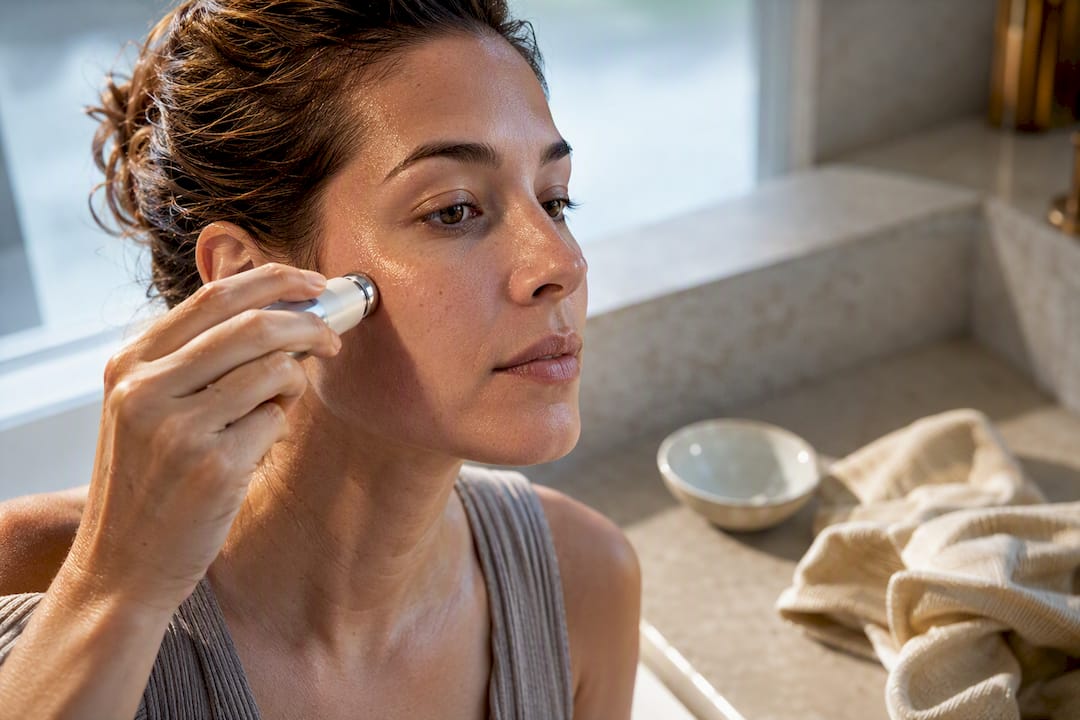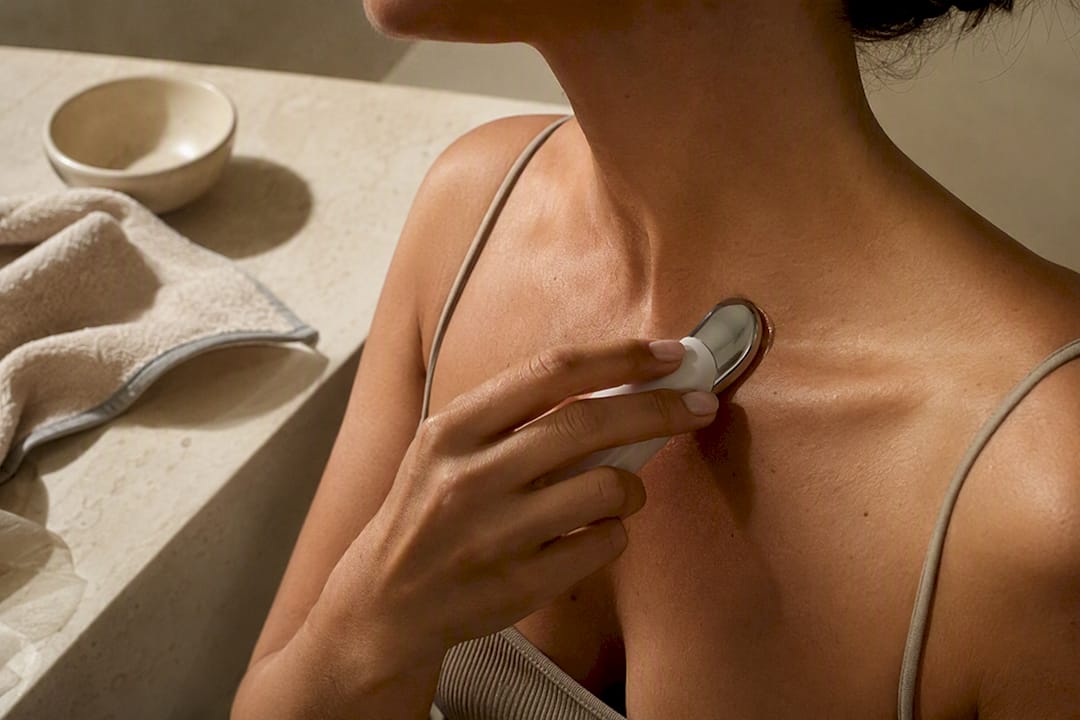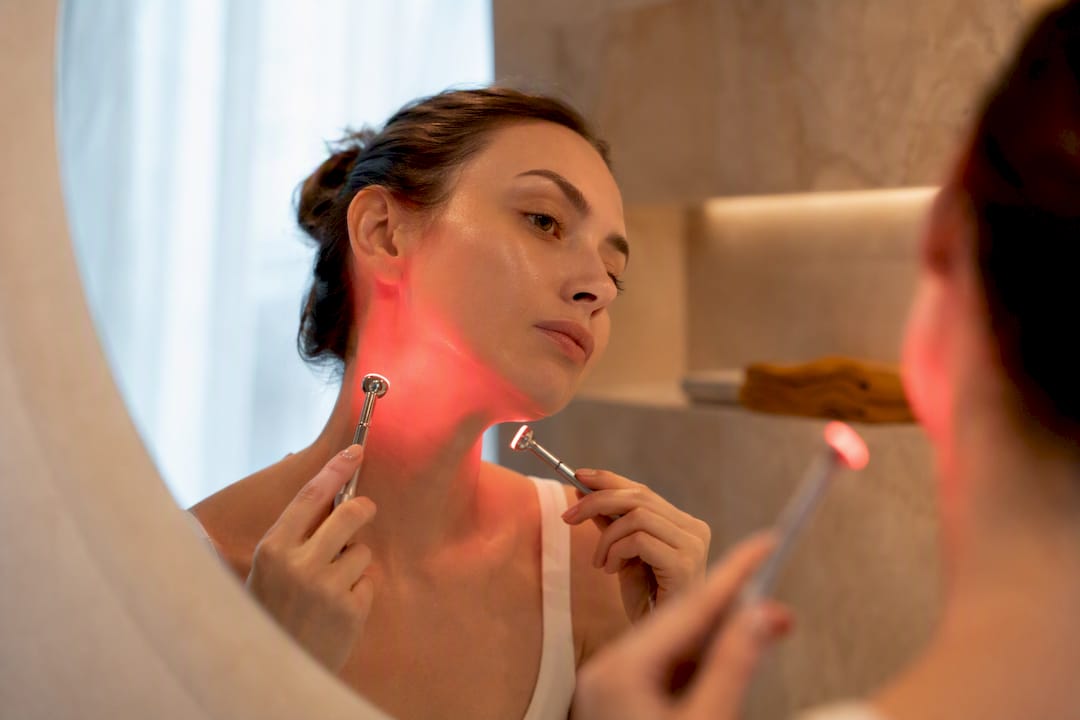
The best NuFACE gel alternative is a dedicated conductive gel formulated for microcurrent or ultrasound use. Pure, oil-free aloe vera gel is the strongest budget swap, and ultrasound transmission gel works as a low-cost test option with caveats. You do not need to pay $35–$50 per tube to get a solid, conductive session.
Your three best picks at a glance:
- Dedicated conductive gel (Glowera Conductive Gel, 7E Wellness ReStore): best balance of conductivity, slip, and skin safety for daily users
- Pure aloe vera gel (Fruit of the Earth 100% Aloe Vera Gel): best budget option for occasional use or dry skin
- Ultrasound transmission gel (e.g., Aquasonic 100): cheapest test option, not a leave-on product, patch-test required
Daily users who want consistent results should go with a dedicated conductive gel. Budget testers or those with dry skin will get by fine with a 99% pure aloe gel. Ultrasound gel is a one-time experiment, not a routine.
Table of Contents
- How do the top NuFACE gel alternatives compare?
- Why the gel you use actually changes your results
- What should you look for in a safe NuFACE gel substitute?
- What types of NuFACE gel substitutes are actually worth trying?
- How to use an alternative gel safely and get consistent results
- Short reviews: which NuFACE gel alternative is right for you?
- When should you stop improvising and see a professional?
- Key Takeaways
- The case for consistency over constant experimentation
- Glowera carries tested, compatible microcurrent gels
- Sources and further reading
How do the top NuFACE gel alternatives compare?
| Product | Best For | Conductivity / Microcurrent Use | Texture / Slip Duration | Key Ingredients (watch for) | Price / Size (US) | Safety Notes |
|---|---|---|---|---|---|---|
| NuFACE Official Gel Activator | Baseline reference; first-time users | Optimized for NuFACE devices | Smooth, medium viscosity; lasts full session | Hyaluronic acid, water-based; no oils | $15–$35 / mid-size bottle | Tested by manufacturer; safest starting point |
| Glowera Conductive Gel | Daily users wanting a tested compatible option | Purpose-formulated for microcurrent conductivity | Medium-thick; reliable glide per session | Water-based, oil-free, silicone-free | Available via Glowera store | Patch-test if sensitive; compatible with NuFACE devices |
| Fruit of the Earth 100% Aloe Vera Gel | Budget users; dry or sensitive skin | Good conductivity when pure and oil-free | Light; may dry faster mid-session | 99% aloe vera; check for added alcohols or oils | ~$5–$8 / 12 oz | Patch-test; reapply more frequently |
| 7E Wellness ReStore Conductive Gel | Affordable dedicated gel; practitioners | Strong conductivity; formulated for treatments | Thicker; maintains glide well | Performance botanicals; water-based | ~$20–$30 / varies | Generally well-tolerated; patch-test for sensitive skin |
| Cocokind Chia Bounce Mask | Dry or mature skin; richer texture preference | Moderate; works if silicone-free formula | Rich, cushiony; longer slip | Chia seed, aloe; verify no silicones in current formula | — | Richer formula; confirm ingredient list before each purchase |
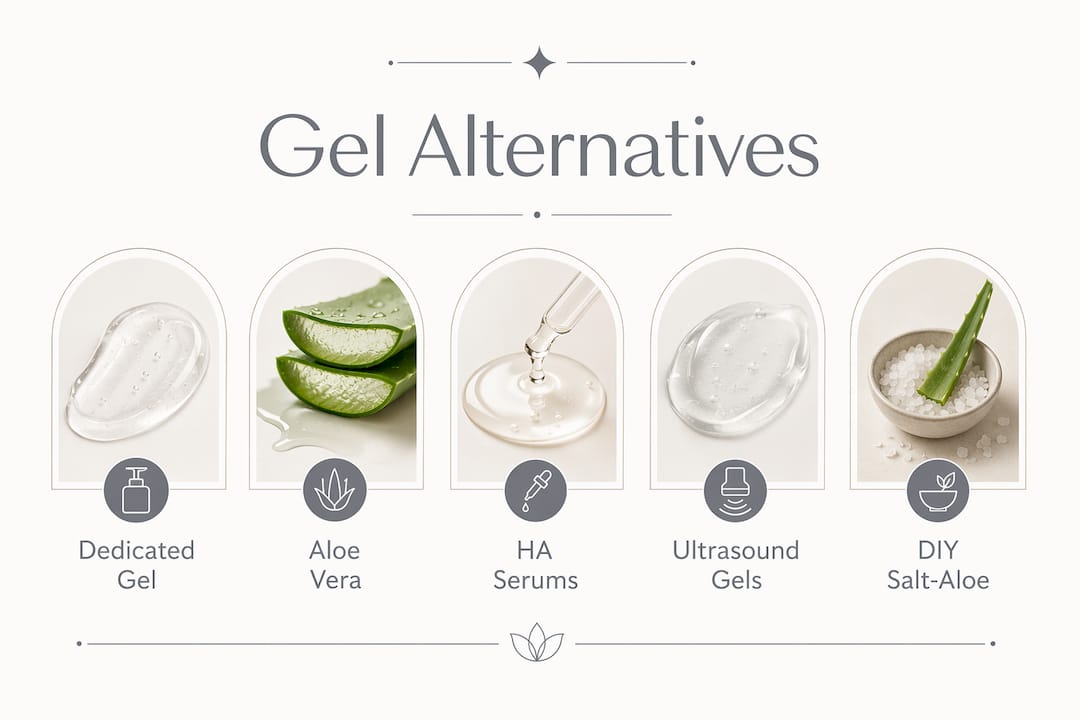
A small bottle used with proper application can last multiple full-face sessions, which helps you calculate cost-per-session when comparing prices.
Why the gel you use actually changes your results
The gel is not a luxury add-on. It is the electrical bridge between the device’s metal spheres and your facial muscles. Without a low-resistance, continuously wet film, the microcurrent either fails to penetrate past the skin surface or creates uncomfortable zapping sensations where the electrode loses contact.
Plain moisturizers, face oils, and silicone-based primers all fail here for the same reason: they insulate rather than conduct. Oils and heavy silicones like dimethicone act as electrical insulators, effectively blocking the current before it reaches the muscle layer. The device keeps running, but the stimulation you paid for is not happening.
Estheticians describe “slip” as the key tactile property. A gel that prevents dragging and keeps the electrode in full contact produces the intended muscle stimulation without discomfort. If the device is tugging, the gel is either the wrong type or drying too fast.
NuFACE manufacturer advisory: NuFACE states its devices have not been tested with third-party gels and recommends consulting a dermatologist before using non-cleared products, as they may affect microcurrent delivery and safety.
Pro Tip: If you feel small zaps or the device seems to “catch” on your skin, that is a conductivity failure. Stop, add more gel, and check the ingredient list for oils or silicones before continuing.
What should you look for in a safe NuFACE gel substitute?
Run any candidate gel through this checklist before you buy:
- Water (Aqua) listed first. The first ingredient tells you the base. If it is not water, skip it.
- Oil-free. No plant oils, mineral oil, or butter derivatives. One oil in the formula is enough to insulate.
- Silicone-free. Avoid dimethicone, cyclopentasiloxane, and any ingredient ending in “-cone” or “-siloxane.”
- Medium gel viscosity. Too thin and it evaporates fast; too thick and it pills or drags. A gel that holds its shape on a spoon is about right.
- Fragrance-free preferred. Fragrances are the most common sensitizer in leave-on products and add no conductivity benefit.
- Preservative check for leave-on use. Phenoxyethanol and ethylhexylglycerin are generally well-tolerated. Formaldehyde-releasing preservatives are worth avoiding, especially for daily use.
For testing, a 4–8 oz bottle is enough to evaluate slip and skin response without committing to a large quantity. For daily use, a 10–12 oz size cuts cost-per-session significantly. In the US, dedicated conductive gels typically run $15–$35 for a mid-size bottle, while pure aloe gels can be found for under $10 in most drugstores.
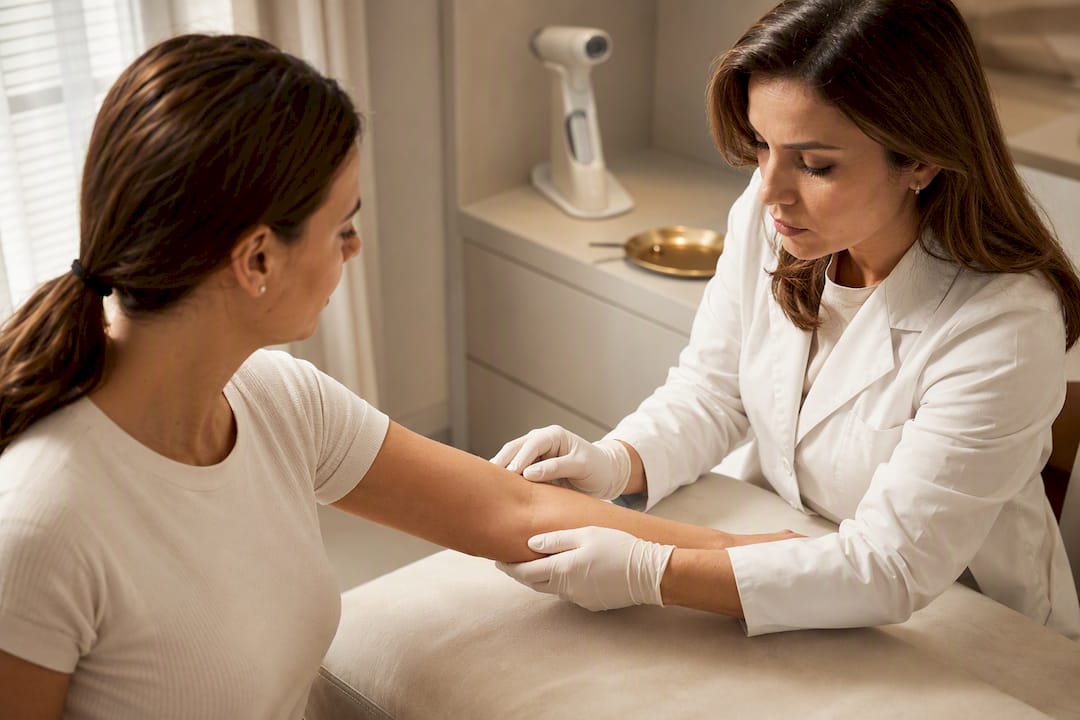
Patch-test any new gel on your inner arm for 24 hours before applying it to your face. If you notice stinging, pilling, or unusual dryness during a session, stop and rinse immediately.
What types of NuFACE gel substitutes are actually worth trying?
Not every category performs the same way. Here is how the main types stack up:
| Type | Conductivity | Slip Duration | Skin Safety | Best For |
|---|---|---|---|---|
| Dedicated conductive gel | High | Full session | High (if water-based) | Daily users, consistent results |
| Pure aloe vera gel (99%+) | Good | Medium (may need reapply) | High for most skin types | Budget users, dry/sensitive skin |
| Hyaluronic acid serum (silicone-free) | Moderate | Short to medium | High if fragrance-free | Occasional use, hydration focus |
| Ultrasound transmission gel | Very high | Long | Moderate (not leave-on) | Budget testing only |
| DIY salt-aloe gel | Variable | Variable | Variable | Pinch situation only |
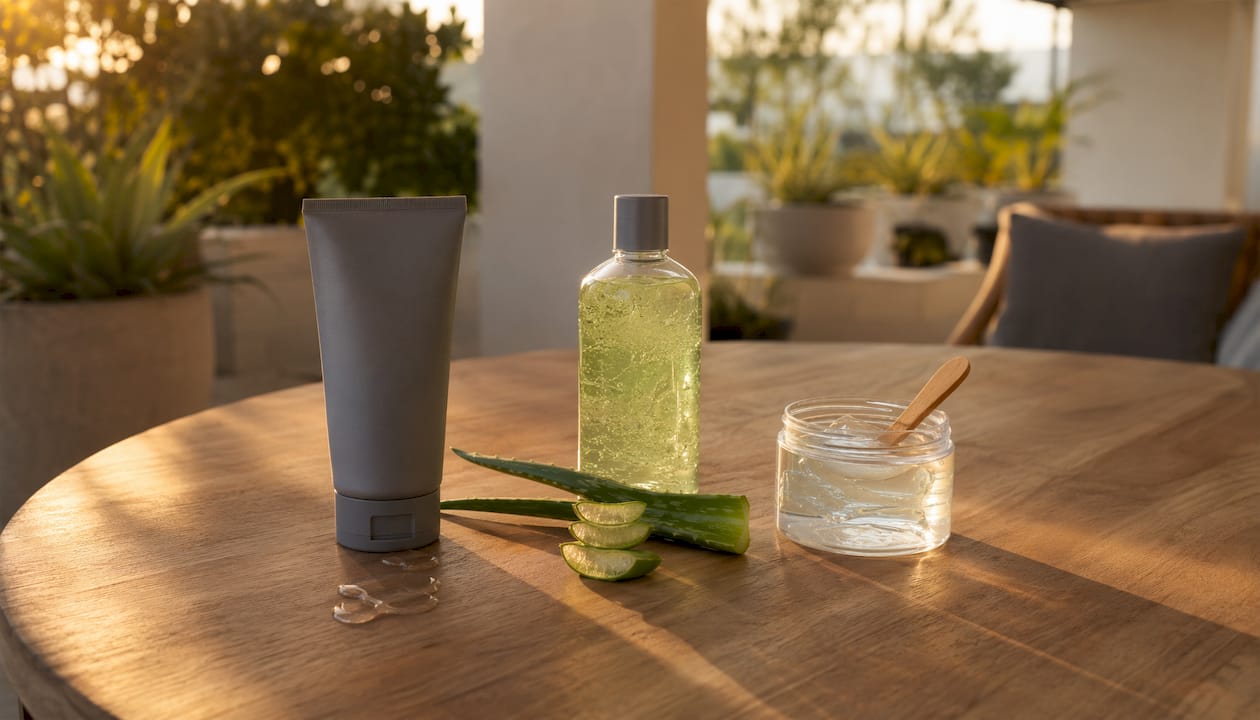
Dedicated conductive gels are the clear winner for anyone using their device more than twice a week. They maintain conductivity and viscosity throughout a typical session in a way that random moisturizers simply do not.
Pure aloe vera gel is the most popular budget substitute. It provides good slip and hydration, but it typically dries faster than purpose-formulated conductive gels, so you will reapply more often. Stick to 99% pure formulas with no added alcohols or oils.
Silicone-free HA serums can work in a pinch if the formula is water-based and fragrance-free, but their thinner consistency means shorter slip and more frequent reapplication. Check every ingredient, not just the marketing copy.
Ultrasound transmission gels (like Aquasonic 100) offer very high conductivity at a low price point, but experts advise treating these as experiments and patch-testing carefully, since they are formulated for short clinical contact, not leave-on skin use.
DIY salt-aloe gels are a last resort. A pinch of sea salt in pure aloe increases ionic conductivity, but the ratio is hard to control and results vary session to session.
How to use an alternative gel safely and get consistent results
Apply a visible, even wet layer before each pass and reapply whenever the device starts to drag. That single habit accounts for most of the difference between a frustrating session and a good one.
Step-by-step:
- Cleanse your face thoroughly. Remove all makeup, SPF, and residue. Any film on the skin adds resistance. A gentle pre-treatment cleanse matters more than most people realize.
- Apply a generous, even layer of gel. You want a visibly wet surface, not a thin smear. For a full face, roughly a nickel-to-quarter-sized amount per zone (forehead, cheeks, jawline, neck) is a practical starting point.
- Begin device passes immediately. Work zone by zone following the NuFACE technique. Keep the spheres flat against the skin and moving.
- Reapply gel when the surface starts to look matte. Do not wait until the device drags. A matte patch means conductivity has dropped in that area. For detailed technique guidance, Glowera’s microcurrent device guide covers zone-by-zone application.
- Rinse and follow with your regular serum or moisturizer. Most conductive gels are not formulated as leave-on skincare. Rinse after your session unless the product label says otherwise.
- Clean the device spheres after every use. Gel residue on the electrodes degrades conductivity over time.
Consistency check: A 3-oz bottle used with proper application lasts roughly 15–20 full-face sessions. If yours is running out faster, you are likely over-applying; if you are getting zaps, you are likely under-applying.
For sensitive or post-procedure skin, even a water-based conductive gel can sting. Perform a small-area patch test and consider professional guidance before treating compromised skin.
Short reviews: which NuFACE gel alternative is right for you?
NuFACE Official Gel Activator
The baseline every user should start with. It is the only formula NuFACE has actually tested with its devices, so it gives you the reference feel: how the device should glide, how long a session should take, and what good conductivity feels like. If cost is the issue, buying the larger 10 oz refill size is a smart move before experimenting with substitutes, since it preserves that baseline at a lower per-ounce price. Find NuFACE products at Glowera if you want to compare sizes.
Glowera Conductive Gel
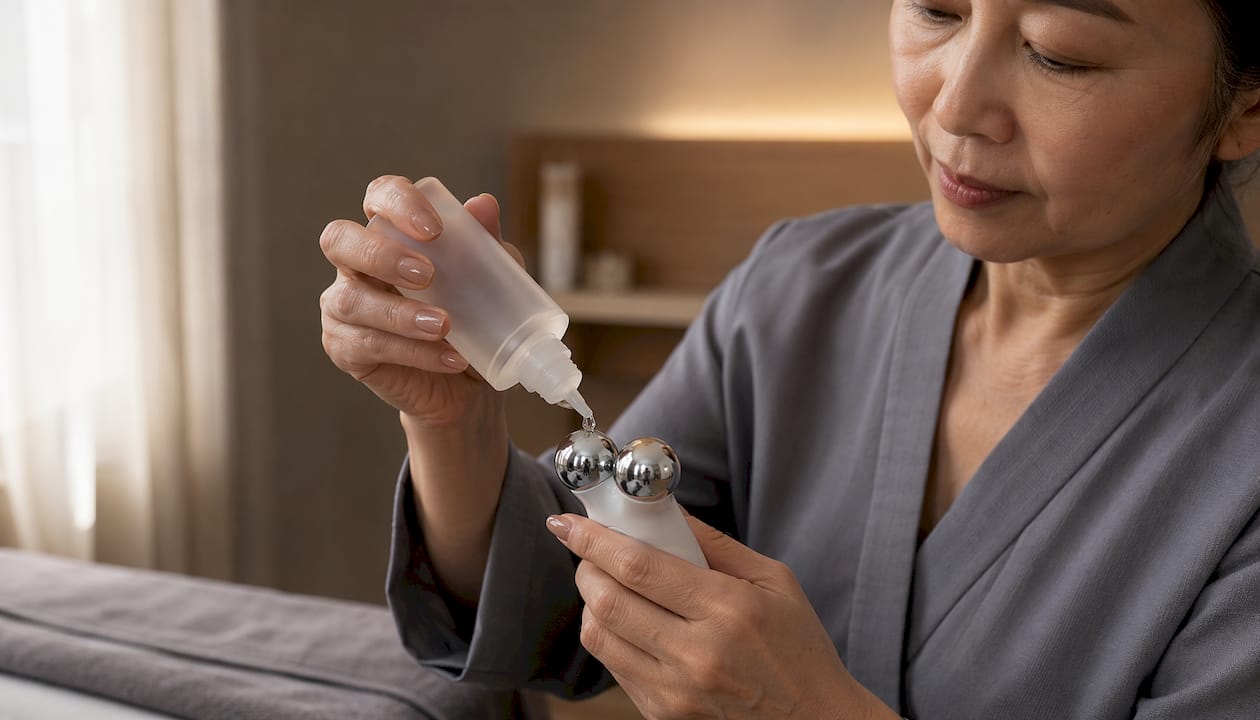
Formulated specifically for microcurrent use, water-based, and free of the oils and silicones that kill conductivity. It is the option Glowera recommends for users who want a tested, compatible alternative without the guesswork of vetting a random drugstore product. Good for daily users who have already established their baseline with the official activator.
Fruit of the Earth 100% Aloe Vera Gel
At roughly $5–$8 for a 12 oz bottle, this is the go-to budget aloe option most people reach for first. It conducts reasonably well when the formula is pure, and it is genuinely hydrating. The catch: it dries faster than a dedicated conductive gel, so you will reapply two or three times per session. Fine for occasional use or dry skin; less practical for a 20-minute daily routine.
7E Wellness ReStore Conductive Gel
Practitioners cite this as an affordable dedicated conductive gel that holds its glide through a full treatment. The performance-focused botanical formula is a step up from plain aloe in terms of session consistency. Worth the slightly higher price if you are using your device five or more times a week.
Cocokind Chia Bounce Mask
A richer, cushiony option that some users prefer for dry or mature skin. The chia seed base may provide longer-lasting slip than aloe, and the texture is often described as more luxurious. The caveat: always check the current ingredient list before purchasing, since formulas can change. Confirm it is silicone-free before each new bottle.
Where to buy reliable alternatives in the US:
- Glowera (compatible conductive gels and NuFACE device accessories)
- Amazon (Fruit of the Earth, 7E Wellness, Aquasonic)
- Target and Walmart (Fruit of the Earth aloe, drugstore aloe gels)
- Ulta Beauty (Cocokind, some dedicated conductive gels)
- Direct brand websites (7E Wellness, Cocokind)
When should you stop improvising and see a professional?
Most gel substitutes are low-risk when they are water-based and oil-free. But a few situations call for more caution than a Reddit thread can provide.
The main risks with poor substitutes are reduced efficacy from insulating ingredients, skin irritation from incompatible fragrances or preservatives, and inconsistent conductivity from partially drying gels. Bulk ultrasound gels carry a contamination risk if the container is not kept clean and sealed between uses, since they are not formulated for repeated open-air exposure the way a skincare product is.
NuFACE advises consulting a dermatologist before using any non-cleared third-party gel, particularly if you have unusual skin conditions or a relevant medical history. That guidance is worth taking seriously if your skin is currently compromised: post-procedure, actively peeling, sunburned, or broken out.
Stop immediately if you experience: sudden stinging or burning during a pass, unexpected redness that does not fade within 30 minutes, a sensation of electric shock rather than mild tingling, or visible skin irritation after the session. Rinse with cool water and do not resume until you have identified the cause.
Microcurrent is generally safe for healthy skin, but it is not appropriate for everyone. Pregnancy, certain implanted devices, and active skin infections are standard contraindications. When in doubt, a single consultation with a dermatologist is faster and cheaper than troubleshooting a bad reaction on your own.
This article is general information, not medical or dermatological advice. Confirm current guidelines with a qualified professional for your specific situation.
Key Takeaways
Dedicated conductive gels formulated for microcurrent use deliver the most consistent results, while pure oil-free aloe vera gel is the strongest budget swap for occasional users.
| Point | Details |
|---|---|
| Water-based is non-negotiable | Any substitute must list water (Aqua) first; oils and silicones block microcurrent and reduce results. |
| Aloe is the best budget option | Fruit of the Earth 100% Aloe Vera Gel provides usable conductivity at under $8 for 12 oz, though it dries faster than dedicated gels. |
| Gel volume matters | A 3-oz bottle used correctly lasts roughly 15–20 full-face sessions; buy larger sizes for daily use to cut cost-per-session. |
| Learn the baseline first | Use the official NuFACE activator for your first several sessions before switching, so you know what good conductivity feels like. |
| Glowera Conductive Gel | A tested, compatible option available from Glowera for daily users who want a purpose-formulated alternative without ingredient guesswork. |
The case for consistency over constant experimentation
The most underrated piece of advice in the NuFACE gel conversation is this: switching gels frequently makes it nearly impossible to know whether your results are improving or declining because of the gel, the technique, or the device itself.
Most users who are frustrated with their microcurrent results are not using the wrong device. They are using a different gel every few weeks, applying inconsistent amounts, and then attributing the uneven outcomes to the technology. The gel is a variable, and like any variable, it should be controlled before you start drawing conclusions.
Dedicated conductive gels earn their place not because they are dramatically superior to a good aloe gel in a single session, but because they perform the same way every time. That consistency is what lets you actually evaluate whether your technique is improving, whether your device settings are right, and whether the routine is working for your skin. A pure aloe gel that dries at different rates depending on the humidity in your bathroom is a harder variable to control than a purpose-formulated gel with a stable viscosity.
The official NuFACE activator is genuinely good. The reason to look for an alternative is cost, not performance. And if cost is the driver, the smartest move is a single, reliable dedicated conductive gel in a large size, not a rotation of whatever is on sale.
Glowera carries tested, compatible microcurrent gels
If you have been spending $40+ on small tubes of the official activator every month, there is a more practical path. Glowera stocks purpose-formulated conductive gels and the full range of NuFACE microcurrent devices as an authorized retailer, which means every product is 100% authentic and ships with full brand backing.
The Glowera Conductive Gel is water-based, oil-free, and formulated specifically for microcurrent conductivity, so you are not guessing whether a drugstore aloe gel will hold up through a 20-minute session. For readers who want to pair a compatible gel with a new device, the NuFACE MINI+ Starter Kit is a clean entry point that includes the official activator as a baseline reference. Browse the full microcurrent range at Glowera and pick up a compatible gel at the same time.
Sources and further reading
| Source | What it covers |
|---|---|
| NuFACE gel substitutes — Body Beautiful | NuFACE manufacturer advisory on third-party gels; safety and compatibility guidance |
| Ask the Strategist: NuFACE gel alternatives — NY Mag | Aloe vera as a budget substitute; Fruit of the Earth and 7E Wellness ReStore recommendations |
| NuFACE gel alternatives — Berkland Goods | Dedicated conductive gels vs. moisturizers; oils/silicones as insulators; session volume estimates |
| NuFACE Aqua Gel dupe — Minji in Seoul | Ultrasound gel as a test option; larger official refill sizes as a cost strategy |
Consult the NuFACE manufacturer advisory and a licensed dermatologist for personalized guidance, especially if you have sensitive, compromised, or post-procedure skin.