Effective treatment for facial blemishes means using evidence-backed topical agents combined with a consistent skincare routine to reduce acne, spots, and discoloration. The clinical term covering most of these concerns is acne vulgaris, though blemishes also include post-inflammatory hyperpigmentation, fungal acne, and vitiligo patches. Each type responds differently to treatment. Correct identification before choosing a remedy is the single most important step, because misidentifying fungal acne as standard acne leads to poor results or worsening. The sections below give you a practical, dermatologist-aligned roadmap you can start using today.
1. What is the best daily skincare routine for facial blemishes?
A four-step daily routine forms the foundation of any blemish management plan: gentle cleansing, targeted active treatment, moisturizing, and broad-spectrum SPF 30+. Each step has a specific job, and skipping one undermines the others.
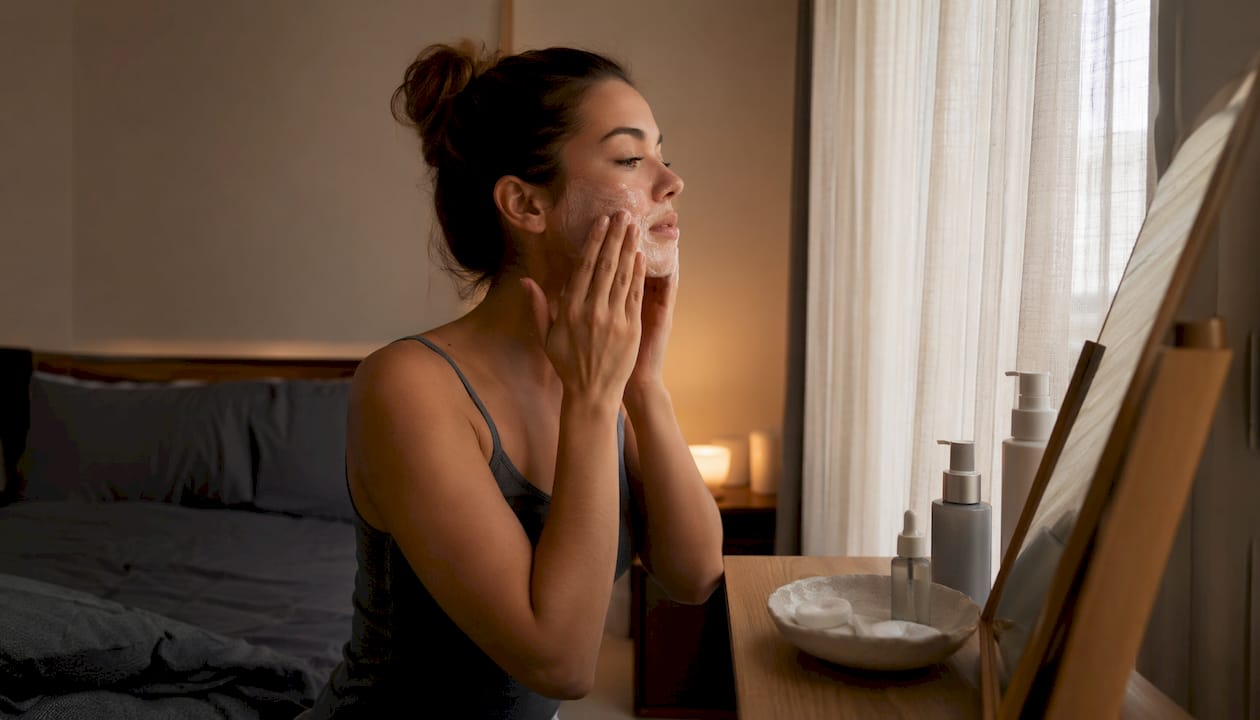
Step 1: Gentle cleansing. Use a non-drying, fragrance-free cleanser twice daily. Harsh soaps strip the skin barrier, which triggers more oil production and worsens breakouts.
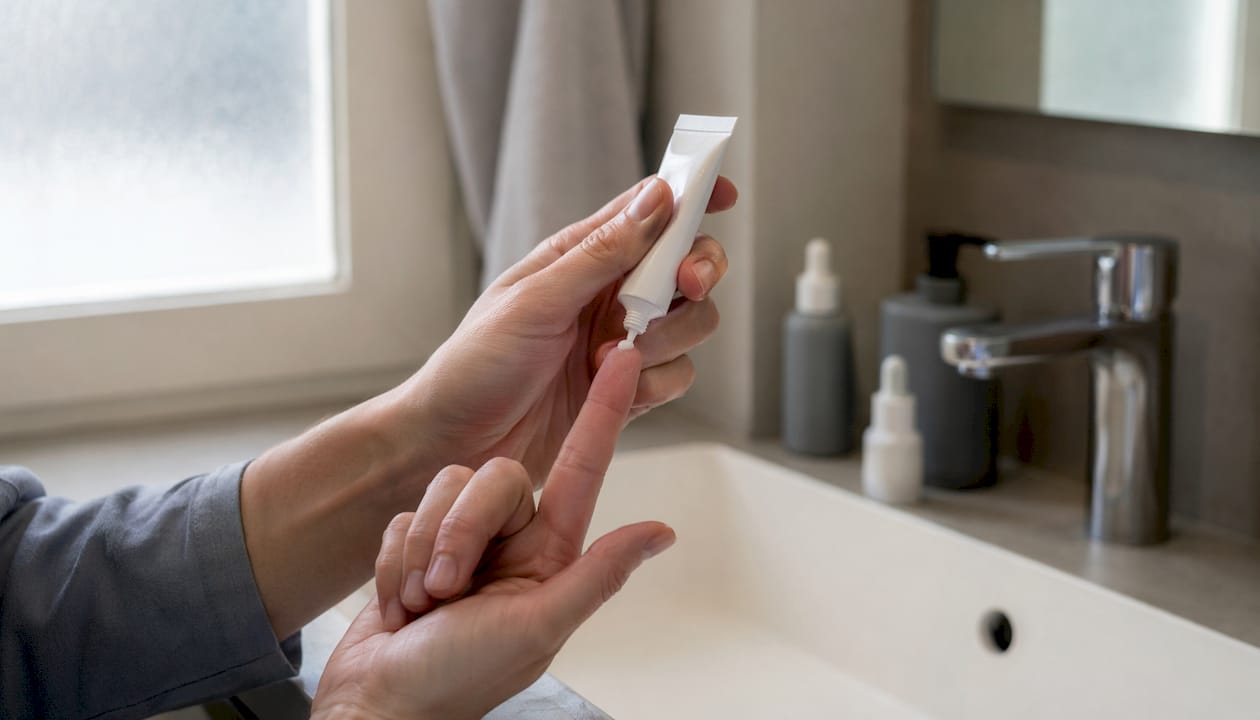
Step 2: Targeted active treatment. Apply your chosen active ingredient (retinoid, benzoyl peroxide, or salicylic acid) to clean, dry skin. Use only one active at a time when starting out.
Step 3: Moisturizing. A lightweight, non-comedogenic moisturizer keeps the skin barrier intact. An intact barrier heals blemishes faster and tolerates actives better.
Step 4: Broad-spectrum SPF 30+. Daily SPF use prevents UV exposure from darkening post-acne marks. Skipping sunscreen is the fastest way to turn a fading spot into a stubborn dark patch.
Pro Tip: Expect four to eight weeks before you see visible improvement from a new routine. Switching products every two weeks prevents you from ever knowing what actually works.
2. Top 7 proven topical treatments for facial blemishes
Topical therapy is the first-line approach recommended by dermatologists for most facial blemishes. The 2024 American Academy of Dermatology guidelines strongly favor combined topical therapies over antibiotic monotherapy to reduce resistance risk and improve outcomes.
-
Topical retinoids (adapalene, tretinoin). Retinoids are the cornerstone of acne and discoloration treatment. Consistent retinoid use improves both inflammatory and non-inflammatory lesions within several weeks. Start with a low concentration every other night to minimize irritation.
-
Benzoyl peroxide. This ingredient kills acne-causing bacteria and dries active breakouts. It also prevents antibiotic resistance when used alongside topical antibiotics. Concentrations of 2.5% work as well as 10% with far less dryness.
-
Salicylic acid. A beta-hydroxy acid that penetrates pores and dissolves the debris that causes blackheads and whiteheads. It works best as a leave-on serum or toner at 1–2% concentration rather than a rinse-off cleanser.
-
Azelaic acid. Antibacterial and skin-lightening in one ingredient. Azelaic acid is particularly well-suited for people with sensitive skin or darker skin tones because it fades post-inflammatory hyperpigmentation without the irritation risk of retinoids.
-
Niacinamide. Calms redness, reduces pore appearance, and strengthens the skin barrier. Niacinamide pairs well with almost every other active, making it a reliable addition to any blemish routine.
-
Vitamin C. A proven brightening agent that fades dark spots and protects against UV-induced pigmentation. Use a stable L-ascorbic acid formula at 10–20% concentration in the morning, followed by SPF.
-
Fixed-dose combination products. Combining benzoyl peroxide with antibiotics and retinoids in a single formula improves adherence and reduces antibiotic resistance risk. These prescription products are worth asking your dermatologist about if over-the-counter options have not worked.
Pro Tip: Never layer a retinoid and a vitamin C serum in the same application. Use vitamin C in the morning and your retinoid at night to get the full benefit of both without irritation.
3. When to consider professional treatments for stubborn blemishes
Professional treatments work best as adjuncts to topical care, not as replacements. If your at-home routine has not produced results after three months, a dermatologist can add the following options.
-
Chemical peels. Glycolic acid and salicylic acid peels accelerate cell turnover and fade post-inflammatory marks. A series of four to six peels spaced two to four weeks apart produces the most consistent results.
-
Laser and light therapies. Light-based treatments improve acne short-term but are adjunct therapies. They do not replace topical or systemic medications. The Q-switch laser targets melanin deposits and works well for persistent dark spots.
-
Oral antibiotics. Effective for moderate to severe inflammatory acne, but systemic antibiotics should be limited to a maximum of three months and always paired with benzoyl peroxide to prevent bacterial resistance.
-
Isotretinoin. Reserved for severe or treatment-resistant acne due to its side effects and monitoring requirements. It produces long-term remission in most people who complete a full course.
-
Spironolactone. A hormonal treatment particularly effective for women with acne that worsens around the menstrual cycle. It is often combined with topical care for best results.
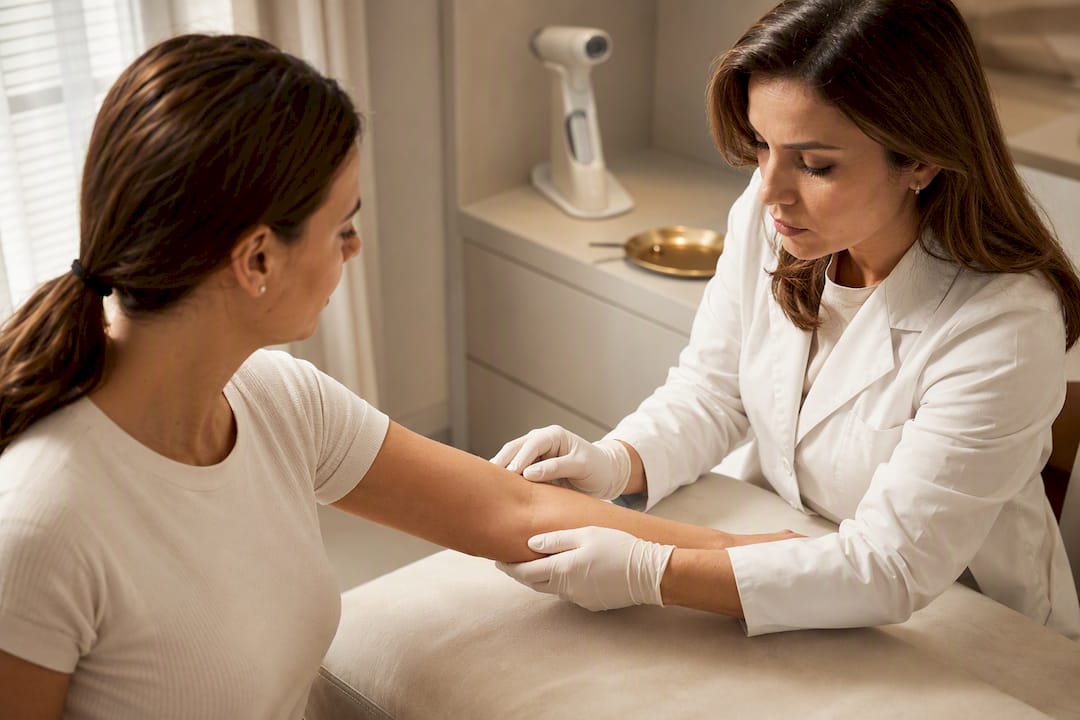
Signs you need a dermatologist now: spreading white patches that do not respond to standard acne treatment, persistent dark spots that worsen with sun exposure, or cystic nodules that leave scars.
4. Common mistakes that make facial blemishes worse
Most people who struggle with persistent blemishes are not using the wrong products. They are using too many products, too aggressively, too fast.
“A gentle, consistent routine outperforms aggressive spot treatments in most cases. Overusing multiple potent actives simultaneously can damage the skin barrier and cause increased inflammation and prolonged blemish healing.”
-
Layering multiple actives at once. Using retinoids, AHAs, BHAs, and benzoyl peroxide in the same routine overwhelms the skin barrier. Introduce one new active every two to four weeks and assess your skin’s response before adding another.
-
Using highly concentrated formulas without building tolerance. Starting with a 1% retinol product when a 0.025% adapalene would suffice causes unnecessary peeling and redness. Excessive application of strong actives worsens inflammation and damages the skin barrier.
-
Skipping sunscreen. UV exposure without SPF causes post-inflammatory hyperpigmentation to persist or darken. This is the most common reason blemish marks take months longer to fade than they should.
-
DIY remedies with no evidence base. Applying lemon juice directly to skin introduces citric acid at an uncontrolled pH, which causes chemical burns and worsens pigmentation. Toothpaste on spots dries out the surface but irritates the surrounding skin.
-
Picking and squeezing. Mechanical trauma pushes bacteria deeper into the follicle, extends healing time, and creates the kind of scarring that requires laser treatment to correct.
5. Home remedies for facial blemishes: what helps and what doesn’t
Home remedies for blemishes on the face work best as supportive measures alongside proven topical treatments. They rarely clear active acne on their own, but some have genuine calming and soothing benefits.
-
Aloe vera gel. Aloe contains compounds with anti-inflammatory and antimicrobial properties. Applied as a thin layer after cleansing, it soothes irritated skin and supports barrier recovery. Use pure gel without added alcohol or fragrance.
-
Raw honey. Medical-grade manuka honey has documented antibacterial activity. Standard raw honey from a grocery store offers milder benefits but can work as a gentle mask for calming redness. Leave on for 10–15 minutes, then rinse with lukewarm water.
-
Green tea extract. Topical green tea reduces sebum production and has antioxidant effects. Look for it as an ingredient in a moisturizer or serum rather than applying brewed tea directly, which can introduce bacteria from the brewing process.
-
What doesn’t help. Apple cider vinegar, baking soda, and lemon juice all disrupt the skin’s natural pH and cause more harm than good. Avoid these entirely.
When a home remedy causes stinging, redness, or new breakouts within 48 hours, discontinue it immediately. If you are unsure whether a natural ingredient is safe for your skin type, consult a dermatologist before adding it to your routine. Home remedies for facial blemishes work best when they support, not replace, a structured skincare plan.
Key Takeaways
The most effective treatment for facial blemishes combines correct identification of the blemish type with a consistent four-step routine, proven topical actives, and daily SPF 30+.
| Point | Details |
|---|---|
| Identify before treating | Misidentifying blemish type leads to ineffective or harmful treatment choices. |
| Four-step daily routine | Cleanse, treat with an active, moisturize, and apply SPF 30+ every day without exception. |
| Topical actives that work | Retinoids, benzoyl peroxide, salicylic acid, and azelaic acid are the most evidence-backed options. |
| Avoid overloading actives | Introducing one active at a time protects the skin barrier and prevents worsening inflammation. |
| Professional help has a threshold | Seek a dermatologist after three months of no improvement or if cystic, spreading, or scarring blemishes appear. |
My take on what actually moves the needle with blemishes
I’ve seen people spend hundreds of dollars on serums and devices while skipping the one thing that would have made the biggest difference: a correct diagnosis. The skincare industry profits from selling you the next active ingredient before you’ve given the last one a fair trial. That cycle keeps blemishes alive longer than they need to be.
The approach I trust is boring by marketing standards. Identify what you’re dealing with. Pick one or two proven actives. Give them eight weeks. Protect your skin from the sun every single day. That sequence clears most blemishes without drama.
The mistake I see most often is treating the skin like a problem to be attacked rather than a barrier to be supported. Aggressive routines feel productive, but they delay healing. A gentle cleanser and a consistent retinoid will outperform a 10-step routine built around trending ingredients every time.
If home care has not worked after three months, that is not a sign to try harder at home. It’s a sign to see a dermatologist. Some blemishes, particularly cystic acne and persistent hyperpigmentation, need prescription-strength treatment or professional procedures. Accepting that early saves months of frustration and prevents scarring that is far harder to treat than the original blemish.
— Gilda
Glowera’s approach to clearer skin at home
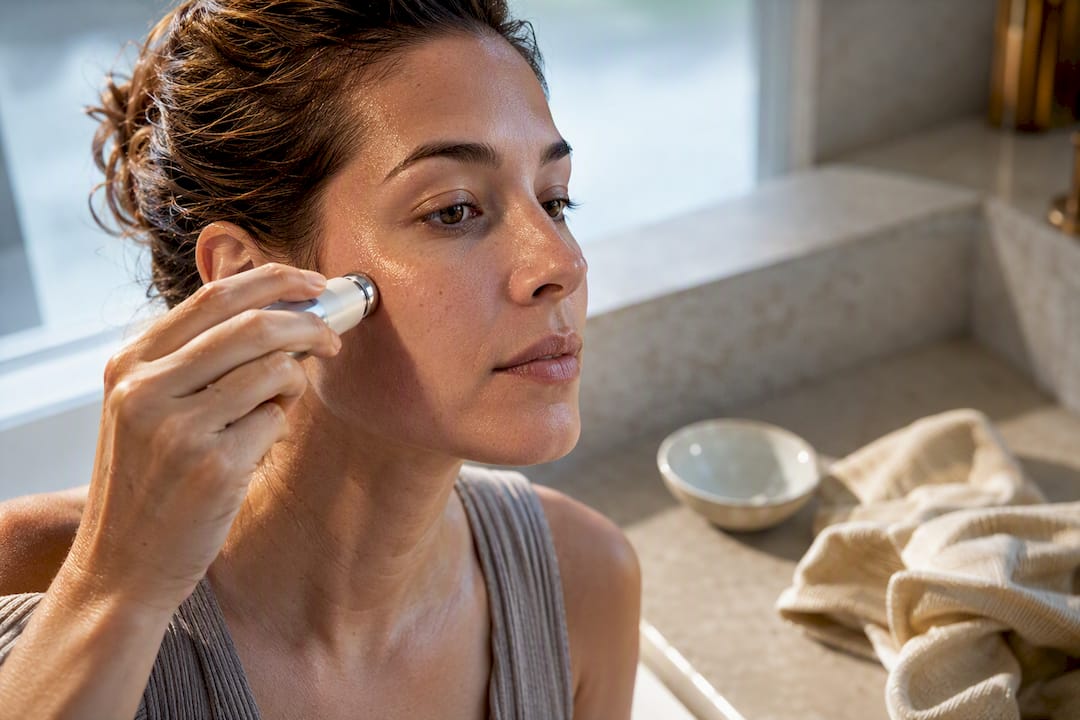
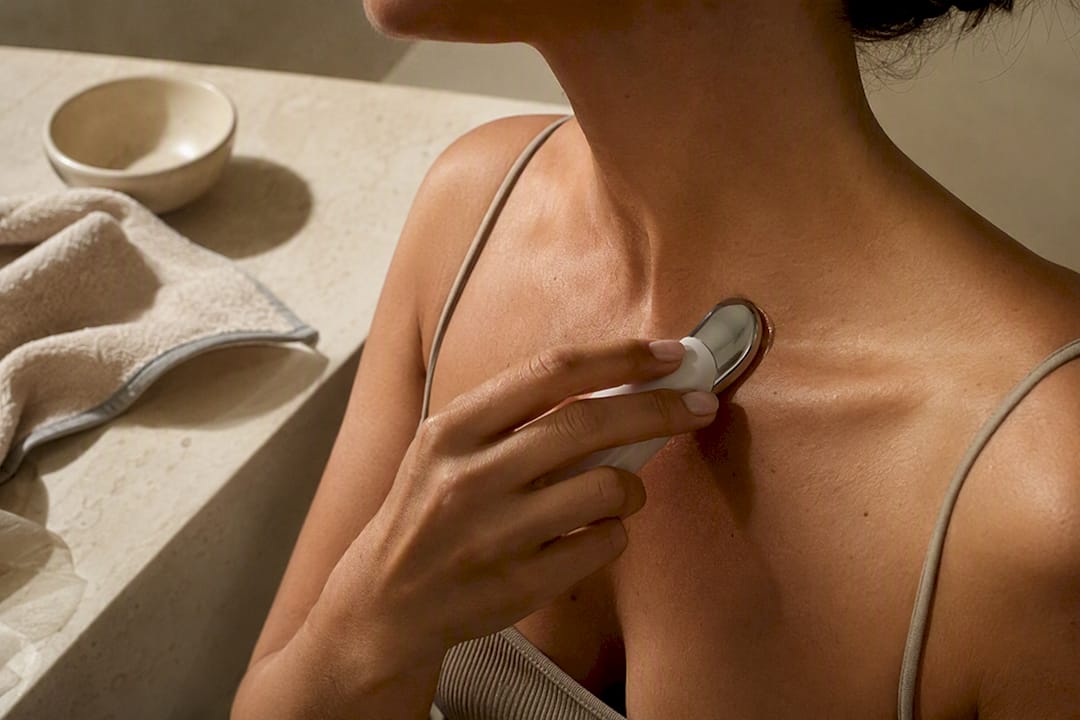
Professional-grade skin technology used to require a clinic visit. Glowera changes that by bringing LED therapy devices and microcurrent tools into your home routine, where they work alongside your topical treatments to support clearer, healthier skin.
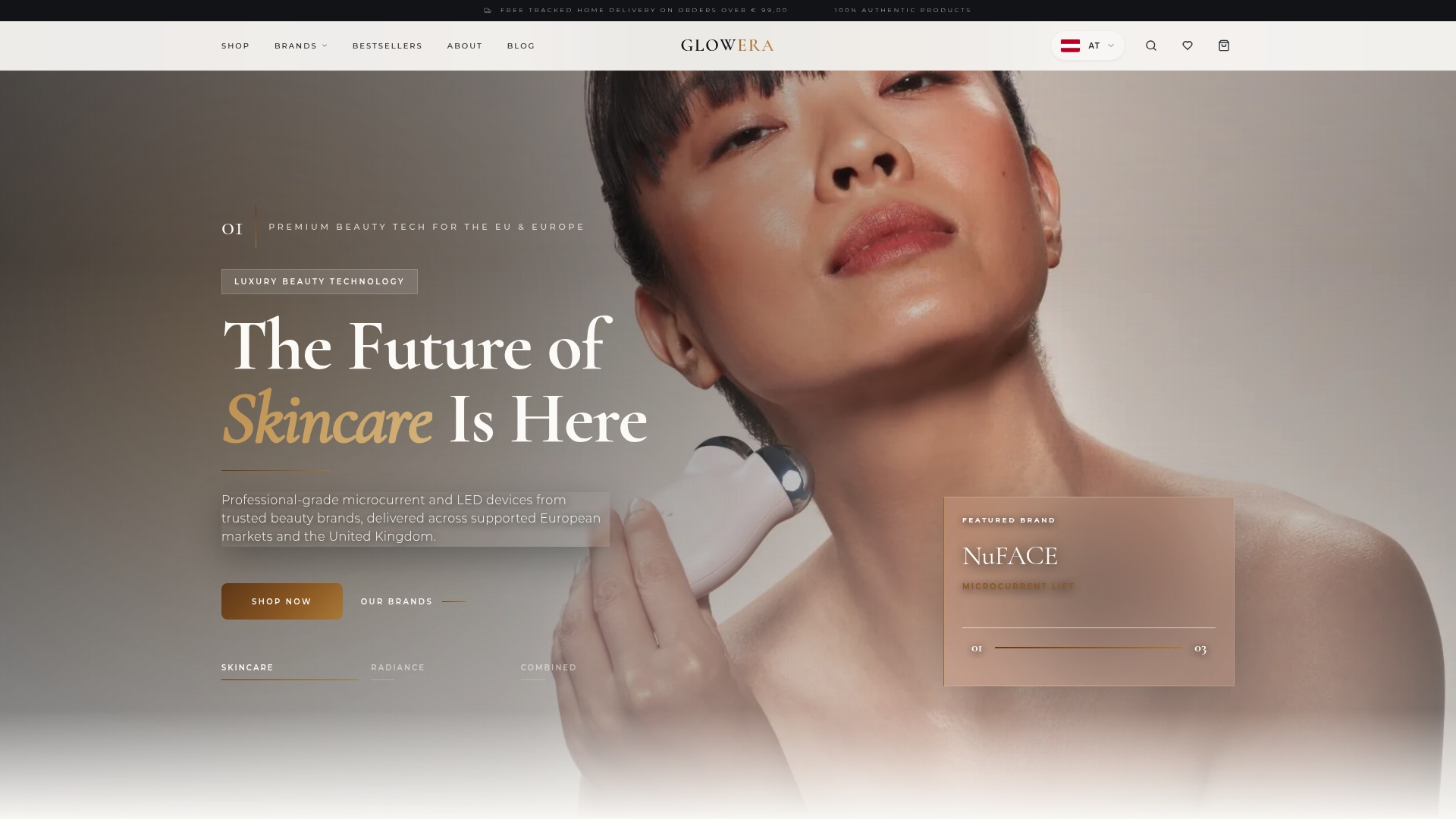
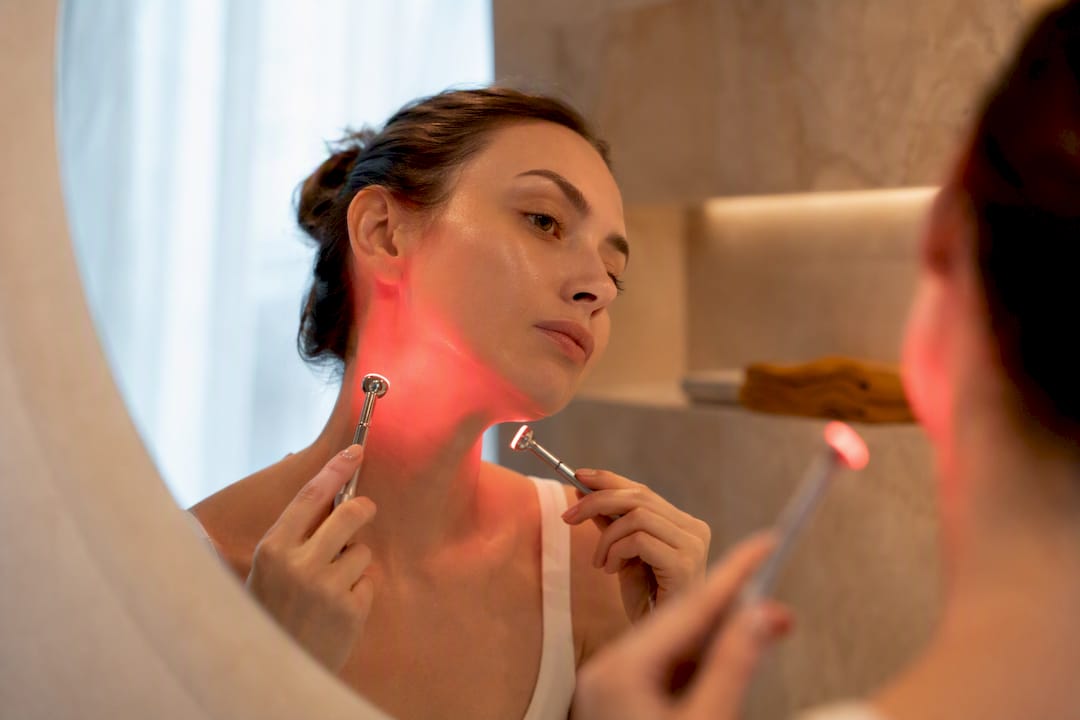
Blue light LED therapy targets acne-causing bacteria at the surface level, making it a practical complement to topical benzoyl peroxide or salicylic acid routines. The Dr. Dennis Gross DRx SpectraLite FaceWare Pro delivers a clinical-grade LED session in three minutes. Glowera stocks a curated range of LED skincare devices and beauty tech tools designed for blemish-prone skin, all available with expert guidance and guaranteed authenticity. Browse the full collection at Glowera’s beauty tech store and find the device that fits your routine.
FAQ
What is the fastest treatment for facial blemishes?
Benzoyl peroxide and salicylic acid reduce active breakouts faster than most other topical options, with visible improvement possible within days for surface-level spots. Deeper blemishes and hyperpigmentation require consistent treatment over several weeks.
What helps with blemishes on the face that won’t clear up?
Persistent blemishes that do not respond to over-the-counter actives after three months warrant a dermatologist visit. Prescription retinoids, combination topical therapies, or systemic treatments like oral antibiotics or isotretinoin may be needed.
Are home remedies for facial blemishes effective?
Aloe vera and raw honey offer mild anti-inflammatory benefits and can support healing as part of a broader routine. They are not effective as standalone treatments for moderate or severe acne.
Does sunscreen really matter for treating blemishes?
Daily SPF 30+ is non-negotiable for anyone treating blemishes. UV exposure causes post-inflammatory hyperpigmentation to persist or darken, which significantly extends the time it takes for marks to fade.
When should I see a dermatologist for facial blemishes?
See a dermatologist if blemishes are cystic, spreading, leaving scars, or have not improved after three months of consistent at-home care. Conditions like fungal acne or vitiligo require professional diagnosis and targeted treatment.