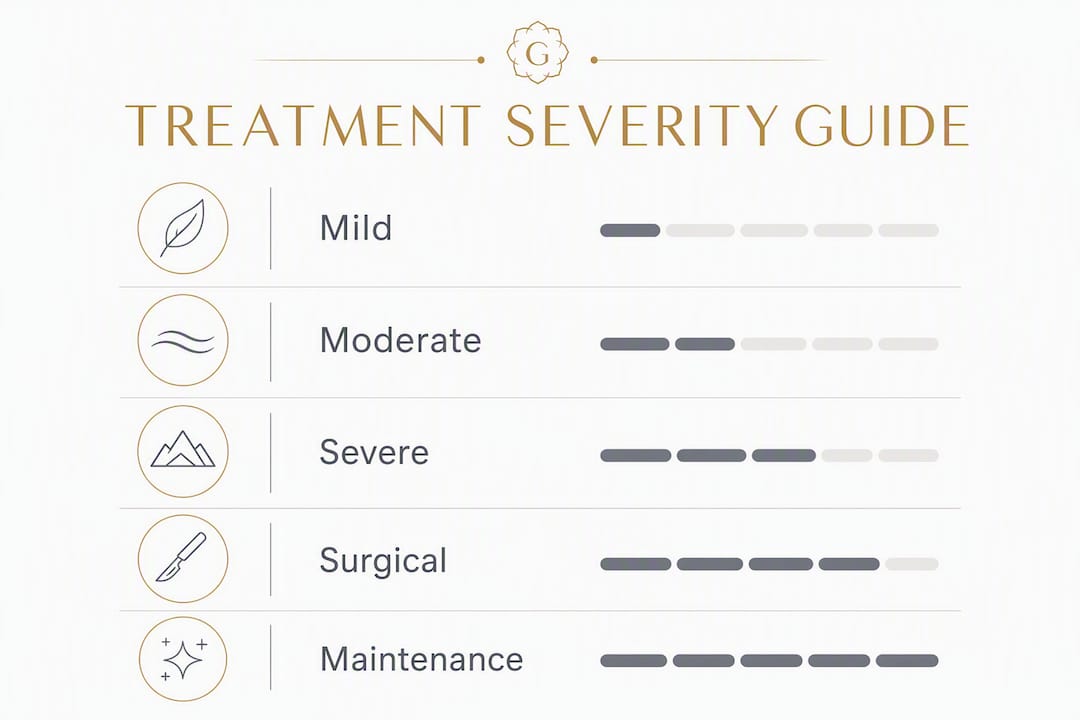
Mild cheek sagging responds well to at-home microcurrent devices and quality topical care. Moderate sagging — deepening nasolabial folds, early jowling, visible volume loss — calls for dermal fillers, HIFU, radiofrequency, or thread lifts. Severe structural descent, where fat pads have dropped significantly and the jawline has softened, typically requires a midface lift or full facelift to achieve meaningful, lasting correction. Non-surgical approaches work best when matched precisely to severity; combined plans consistently outperform single-modality treatments.
Quick cost orientation:
- At-home devices: $150–$500 one-time
- Dermal fillers (HA): $600–$2,000 per session
- HIFU/Ultherapy/Sofwave: $1,500–$4,500 per session
- Thread lifts (PDO/PLLA): $1,500–$4,500
- Midface lift: $5,000–$12,000+
- Full facelift: $8,000–$20,000+
All ranges are estimates. Regional pricing and provider experience vary considerably. A board-certified plastic surgeon or dermatologist can give you an individualized quote after examining your anatomy in person. Bring current photos (front, 45-degree angle, profile) and a few older photos showing how your face has changed.
Table of Contents
- How do you know how severe your cheek sagging is?
- What non-surgical options actually work for sagging cheeks?
- When does cheek sagging require surgery?
- How do you choose between non-surgical, combination, or surgical treatment?
- What do treatments cost, and how long is recovery?
- Can skincare, face exercises, and lifestyle actually prevent cheek sagging?
- What can Glowera at-home devices realistically do for sagging cheeks?
- Key Takeaways
- The gap between what treatments promise and what anatomy allows
- Glowera devices: where they fit in your treatment plan
- Useful sources for further reading
How do you know how severe your cheek sagging is?
Self-assessment is a useful starting point, but it only gets you so far. The goal is to identify which anatomical layer is driving the change, because that determines which treatments can actually help.
Signs by severity level:
Mild:
- Slight softening of the cheek contour
- Nasolabial folds visible but not deep
- Skin feels less firm but no significant jowling
- Jawline still mostly defined
Moderate:
- Nasolabial folds noticeably deeper
- Cheek volume has shifted downward
- Early jowling visible, especially in photos
- Skin laxity apparent at rest, not just in motion
Severe:
- Significant fat pad descent and midface flattening
- Deep nasolabial folds and prominent jowls
- Jawline substantially altered
- Loose skin visible from multiple angles
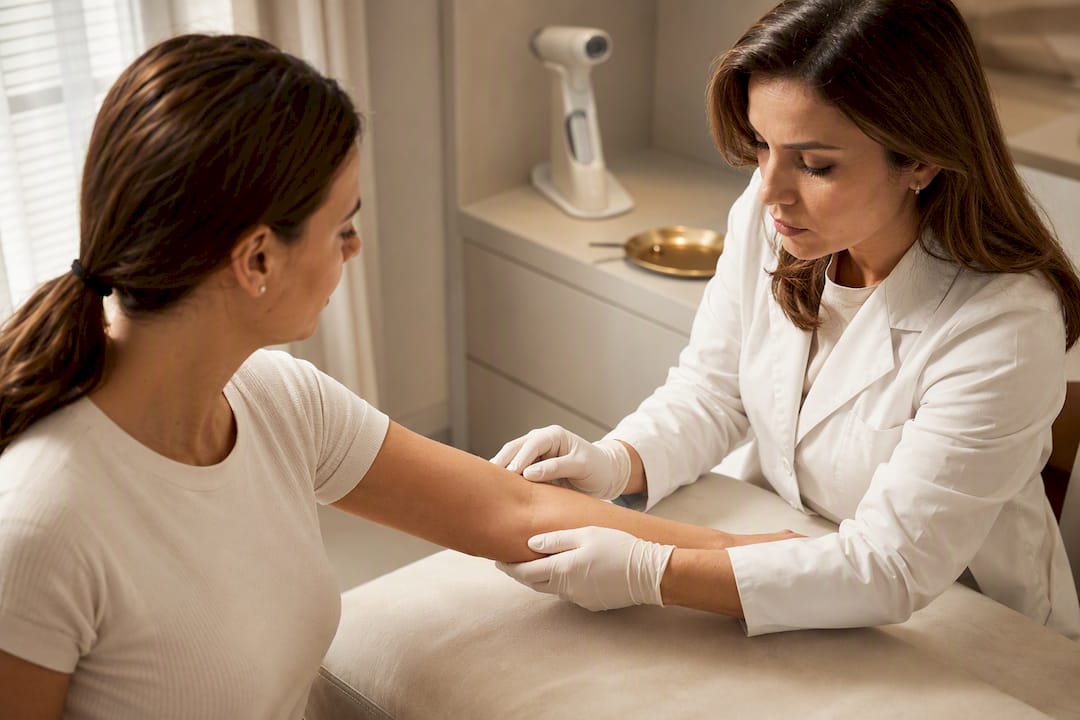
When a clinician examines you, they look beyond what you see in the mirror. Physician-led consultations evaluate skin thickness, fat pad position, ligament support, and underlying bone structure, both at rest and during facial movement. Bone resorption and ligament laxity, the deeper drivers of cheek descent, are not visible to the untrained eye.
Pro Tip: Take standardized photos in consistent lighting before your consultation: straight-on, 45-degree angle, and full profile. Add a photo from five to ten years ago. This gives your provider a clear picture of the rate and pattern of change, which directly influences treatment planning.
What non-surgical options actually work for sagging cheeks?
Non-surgical cheek lifting covers a wide range of mechanisms. Matching the right modality to your anatomy matters more than picking the most popular treatment.
Hyaluronic acid fillers (Juvederm, Restylane)
HA fillers restore lost volume in the midface and can create a subtle V-lift effect by repositioning the visual center of gravity upward. Results are immediate. Duration typically runs several months depending on the product, placement depth, and individual metabolism. Common side effects include temporary bruising, swelling, and tenderness at injection sites. Overfilling is a real risk with inexperienced injectors, so before-and-after photos of similar faces are worth requesting before you commit.
Biostimulatory injectables (Sculptra, Radiesse)
Sculptra (poly-L-lactic acid) and Radiesse (calcium hydroxylapatite) work differently from HA fillers. Rather than adding immediate volume, they stimulate your own collagen production over weeks to months. Results build gradually and tend to last longer with a proper treatment series. Sculptra typically requires two to three sessions spaced several weeks apart. Radiesse can provide some immediate correction alongside its biostimulatory effect. Neither is reversible the way HA fillers are, so provider skill matters even more.
Energy-based devices: HIFU, Ultherapy, Sofwave, and RF
These treatments share a core mechanism: controlled thermal energy delivered to specific tissue depths triggers collagen remodeling. The differences lie in depth, precision, and comfort.
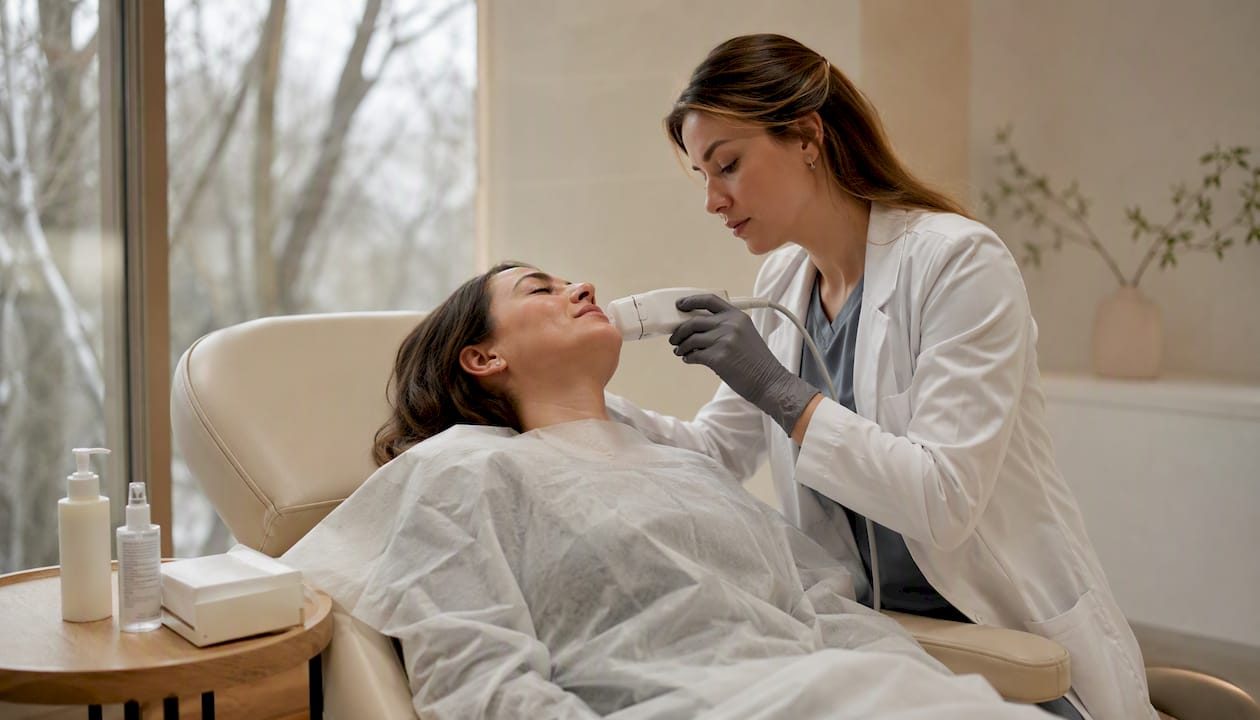
Ultherapy uses microfocused ultrasound to reach the SMAS layer (the same layer surgeons address in a facelift) and the deep dermis. Results build over 2–6 months. Most people need one to two sessions annually. Sofwave is a newer ultrasound platform that targets the mid-dermis at 1.5mm depth, with a profile that tends to be more comfortable than traditional HIFU. RF microneedling (such as Morpheus8) combines radiofrequency energy with microneedles to remodel both dermis and subdermal fat. All three work best for mild-to-moderate laxity; they cannot reposition significantly descended fat pads.
EMFACE-style devices combine radiofrequency with electrical muscle stimulation (EMS), targeting both the skin and the underlying facial muscles simultaneously. The approach is needle-free and requires a series of sessions (typically four to eight). Emerging clinical data supports modest lifting and toning effects, though clinicians advise realistic expectations.
Typical result timeline: energy-based treatments show progressive improvement over 2–6 months post-treatment, not immediately after the session.
Thread lifts (PDO and PLLA)
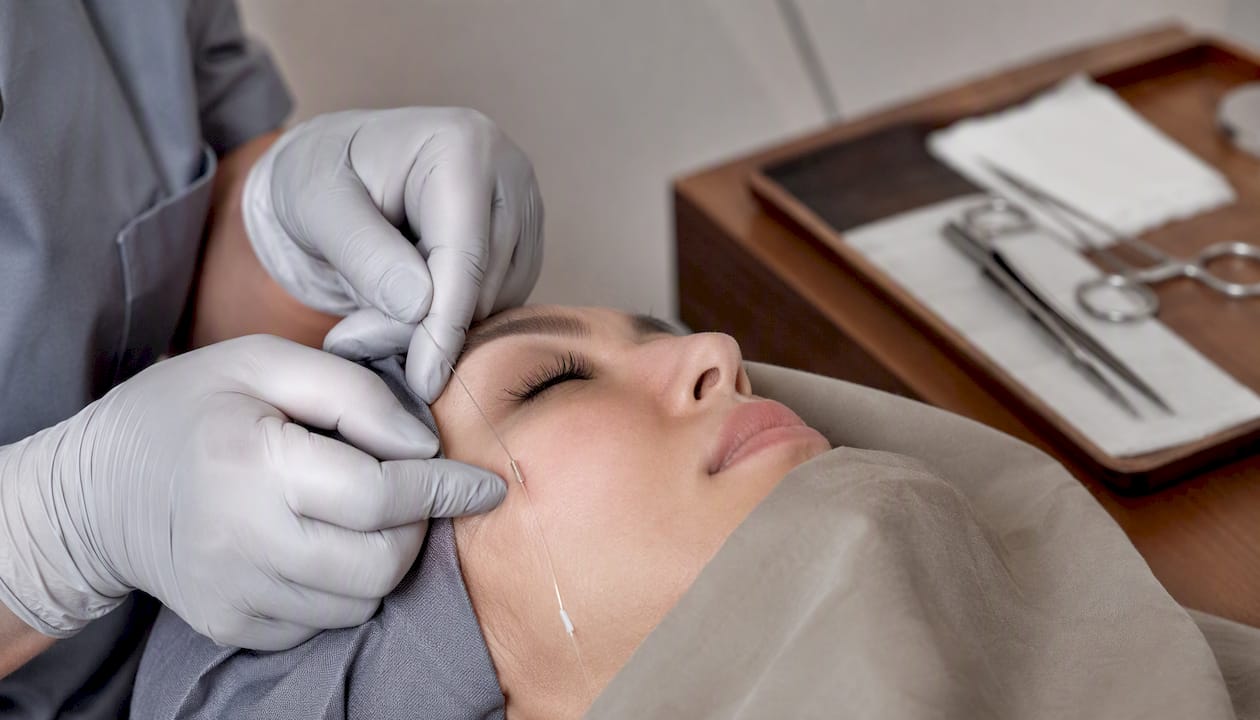
Thread lifts using resorbable PDO or PLLA threads provide two benefits: an immediate mechanical lift and ongoing collagen stimulation as the threads dissolve. Durability ranges from one to several years depending on thread type, placement, and individual tissue response. Common mild side effects include temporary redness, swelling, and bruising. Thread lifts work well as a standalone option for moderate sagging or as a complement to fillers and energy devices in a staged plan.
At-home devices: microcurrent, LED, and RF/EMS
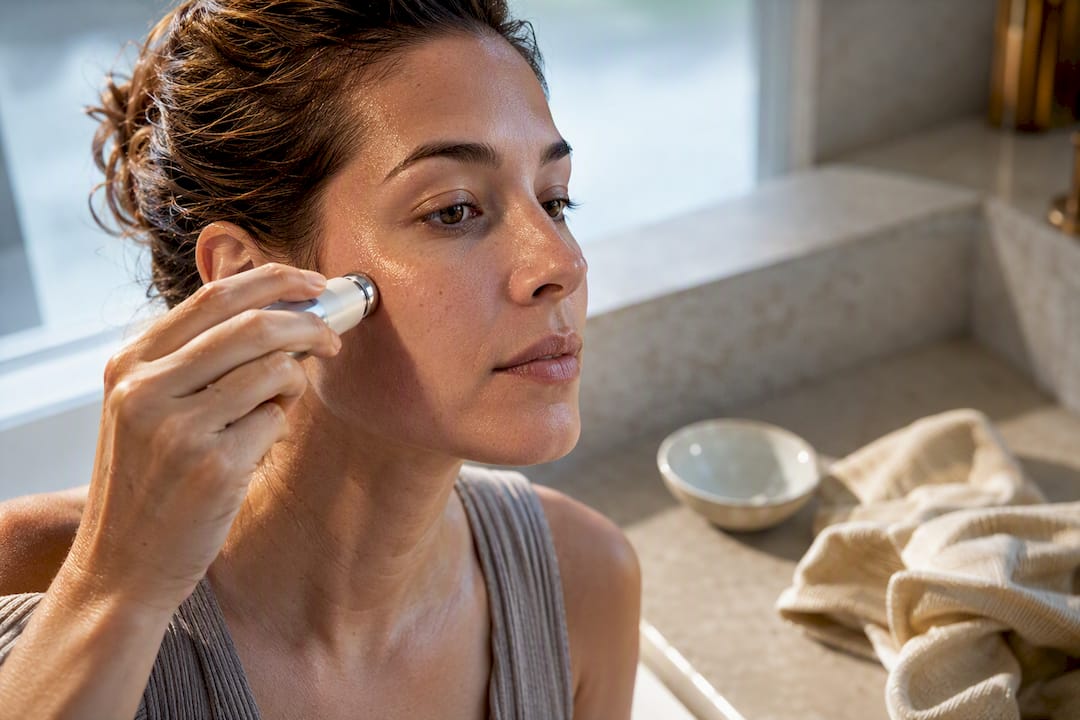
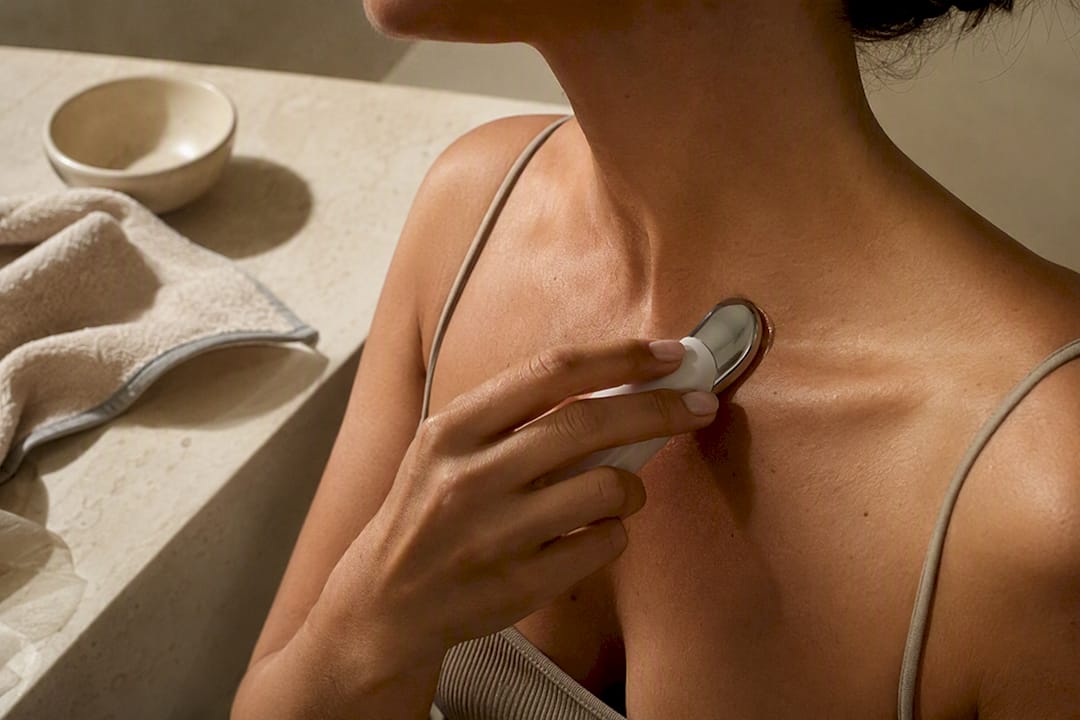
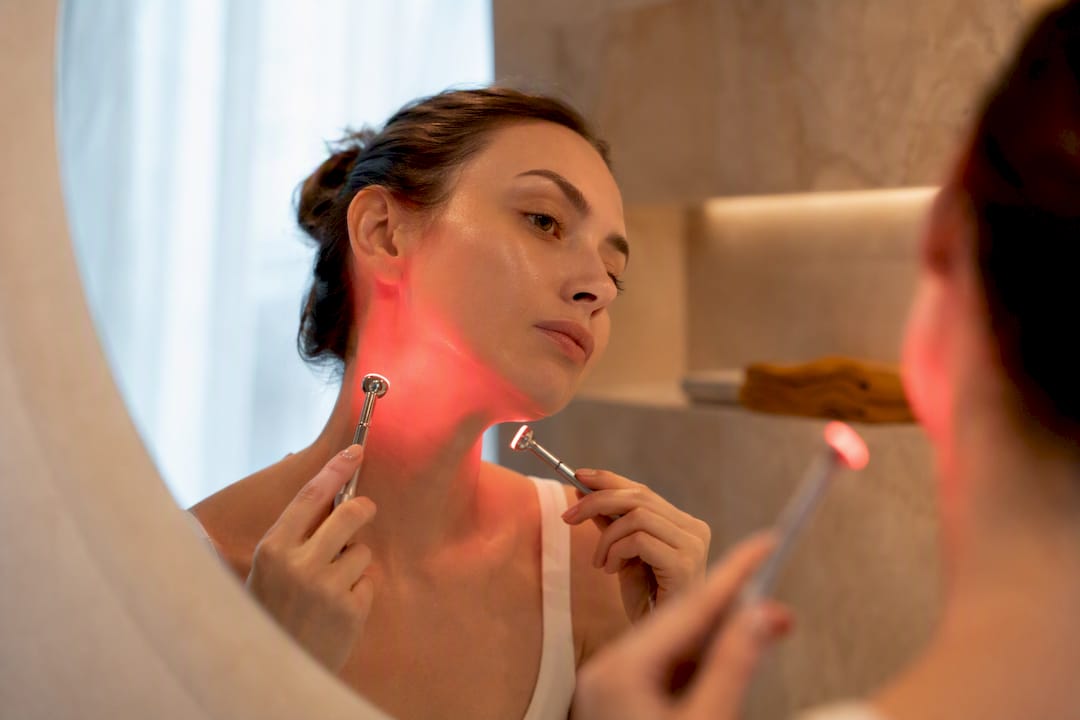
At-home devices occupy a specific, honest role: they are adjuncts and early-intervention tools, not replacements for in-clinic procedures. Microcurrent devices (NuFACE, ZIIP Beauty) deliver low-level electrical current that stimulates facial muscles and improves circulation, producing a visible toning effect with consistent use. LED therapy (red and near-infrared wavelengths) supports collagen synthesis and reduces inflammation. At-home RF and EMS devices deliver gentler energy than clinical machines but can support skin quality and tone with regular use.
The key word is consistent. Most at-home devices require four to five sessions per week initially, then a maintenance frequency of two to three times weekly. Visible changes typically appear after four to eight weeks of regular use.
When does cheek sagging require surgery?
Surgery becomes the most predictable option when structural descent has progressed beyond what energy devices and injectables can meaningfully address. The honest threshold: if fat pads have dropped significantly, ligaments have stretched, and the jawline has substantially changed, non-surgical treatments will improve the surface but cannot reposition the underlying anatomy.
Midface (cheek) lift vs. full facelift:
A midface lift specifically addresses the upper cheeks and lower eyelid area. It repositions descended cheek fat pads upward and can improve the tear trough and cheek-lid junction. It does not address the lower face, jowls, or neck. A full facelift addresses the lower face, jowls, and often the neck, with some surgeons incorporating midface correction in the same procedure.
Surgical candidate criteria:
- Good general health with no uncontrolled systemic conditions
- Non-smoker or willing to stop smoking for several weeks before and after surgery
- Realistic expectations about outcomes and recovery
- Structural descent that non-surgical options cannot adequately correct
Recovery benchmarks:
- Acute recovery (bruising, swelling, limited activity): 7–10 days
- Return to most normal activities: 2–3 weeks
- Final settled result: 3–6 months
- Common surgical risks: temporary numbness, asymmetry, scarring, infection, anesthesia-related complications
Surgical results are durable. A midface lift typically lasts 5–10 years before significant re-descent occurs, though aging continues. The investment in recovery time is real, but for severe structural sagging, surgery delivers correction that no injectable or device can replicate.
How do you choose between non-surgical, combination, or surgical treatment?
The decision comes down to five factors. Work through them before your consultation.
Decision checklist:
- Severity — Use the mild/moderate/severe framework above. Be honest with yourself; photos help.
- Desired magnitude of change — A subtle refresh versus a significant structural correction are different goals requiring different tools.
- Downtime tolerance — At-home devices: zero. Fillers and energy treatments: one to three days of minor swelling. Thread lifts: up to a week. Surgery: two to three weeks minimum.
- Budget — At-home devices are a one-time cost. In-clinic non-surgical treatments require periodic maintenance. Surgery is a larger upfront cost but may reduce long-term maintenance spending.
- Longevity preference — HA fillers: 6–18 months. Biostimulators: up to two years. Thread lifts: 12–36 months. Surgery: 5–10+ years.
For many faces, a combined plan — volume restoration with fillers first, followed by energy-based tightening — gives more consistent improvement than any single modality. Sequencing matters: tightening a deflated midface without restoring volume first tends to produce suboptimal results.
Questions to ask your provider:
- Are you board-certified in plastic surgery or dermatology?
- Can I see before-and-after photos of patients with similar anatomy and severity?
- What is your protocol if a complication occurs?
- If you recommend a combination approach, what is the sequencing and why?
- What is the realistic improvement range for my specific case?
Red flags to avoid:
- No before-and-after portfolio for the specific procedure
- Pressure to book same-day without a proper consultation
- Vague answers about complication management
- Pricing that seems unusually low for the procedure
- No mention of contraindications or candidacy criteria
What do treatments cost, and how long is recovery?
Costs below are US estimates. Prices vary by region, provider experience, and the number of syringes or sessions required. Always get an individualized quote after a clinical assessment.
| Treatment | Typical US Cost Range | Downtime | Visible Results Timeline | Aftercare Notes |
|---|---|---|---|---|
| At-home microcurrent/RF/LED | $150–$500 (device) | None | 4–8 weeks with consistent use | Use conductive gel; avoid broken skin |
| HA fillers (Juvederm/Restylane) | $600–$2,000/session | 1–3 days (swelling/bruising) | Immediate | Avoid pressure on treated area for 24 hrs |
| Sculptra / Radiesse | $600–$2,000 per session | 1–3 days | 2–6 months (progressive) | Multiple sessions typically needed |
| HIFU / Ultherapy / Sofwave | $1,500–$4,500/session | Minimal (1–2 days redness) | 2–6 months | Annual maintenance sessions recommended |
| RF microneedling (Morpheus8) | $1,500–$4,500 per session | 3–5 days | 2–3 months | SPF critical post-treatment |
| Thread lift (PDO/PLLA) | $1,500–$4,500 | 5–7 days | Immediate + collagen over months | Avoid extreme facial movements for 2 weeks |
| Midface lift (surgery) | $5,000–$12,000+ | 7–10 days acute; 3–6 months full | Immediate repositioning; final at 3–6 months | No strenuous activity for 3–4 weeks |
| Full facelift | $8,000–$20,000+ | 2–3 weeks; 3–6 months full | Immediate; final at 3–6 months | Smoking cessation required; sun avoidance |
Aftercare obligations that affect results:
- Energy-based treatments: strict SPF 30+ use for at least two weeks post-treatment; no heat exposure (saunas, hot yoga) for one week
- Fillers: no vigorous massage or facial pressure for 24–48 hours; avoid intense heat
- Thread lifts: sleep on your back for two weeks; no wide mouth movements
- Surgery: follow your surgeon’s specific protocol; report any signs of infection, unusual swelling, or asymmetry immediately
Regional variability is real. Clinic pricing for cheek and face procedures varies widely, and an online estimate is never a substitute for an in-person quote.
Can skincare, face exercises, and lifestyle actually prevent cheek sagging?
Yes, but within a specific lane. Prevention and maintenance are where topical care and lifestyle habits genuinely earn their place. Correction of structural descent is a different matter entirely.
Retinoids and sunscreen improve dermal quality and help slow visible progression. Retinoids thicken the dermis and improve its resistance to gravity over time. Broad-spectrum SPF 30+ daily is the single most evidence-supported habit for slowing skin aging. Vitamin C serums support collagen synthesis and provide antioxidant protection. These are maintenance and prevention tools. They cannot reverse bone resorption, ligament laxity, or major fat pad descent — the structural changes that drive moderate and severe sagging.
Face yoga and facial exercises get more credit than the evidence supports. Exercises can temporarily improve circulation and reduce puffiness. For very mild, muscular-component sagging in younger adults, targeted facial exercises may offer a modest benefit. They cannot reposition descended fat pads or reverse stretched ligaments. Treating them as a primary corrective strategy for anything beyond the earliest-stage laxity leads to disappointment.
Maintenance checklist:
- Daily SPF 30+ (non-negotiable)
- Retinoid use three to five nights per week (start low, build tolerance)
- Vitamin C serum in the morning
- Stable body weight (significant weight fluctuations accelerate facial volume loss)
- No smoking (smoking degrades collagen and accelerates ligament laxity)
- Consistent at-home device use as an adjunct, not a primary treatment
Pair your topical routine with a targeted collagen-supporting serum for better device performance and dermal support.
What can Glowera at-home devices realistically do for sagging cheeks?
At-home beauty technology has a defined, honest role in cheek lifting. Glowera carries devices from NuFACE, ZIIP Beauty, CurrentBody, Medicube, FOREO, and Shark Beauty, covering three primary modalities: microcurrent, RF/EMS, and LED light therapy.
What each modality delivers:
- Microcurrent (NuFACE, ZIIP): low-level electrical current re-educates facial muscles and improves muscle tone. The effect is cumulative with consistent use. Best for early-stage laxity and as a maintenance tool after in-clinic treatments.
- RF and EMS (Medicube AGE-R, Shark Beauty): radiofrequency energy heats the dermis to stimulate collagen; EMS contracts facial muscles. At-home RF delivers lower energy than clinical machines but supports skin firmness with regular use.
- LED light therapy (CurrentBody, FOREO UFO 3): red and near-infrared wavelengths penetrate the dermis to support collagen synthesis and reduce inflammation. LED works best as a complement to other modalities, not a standalone lifting treatment.
Who benefits most:
- Adults with mild, early-stage laxity who want to slow progression
- People maintaining results after in-clinic fillers, thread lifts, or energy treatments
- Those who prefer low-downtime, at-home options as part of a staged plan
Usage guidance:
- Microcurrent: five sessions per week for the first 60 days, then two to three times weekly for maintenance
- RF/EMS: three to four times per week; always use a conductive gel
- LED: three to five times per week; sessions typically 10–20 minutes
Contraindications for most at-home devices include active skin infections, pregnancy, pacemakers, and metal implants in the treatment area. When in doubt, check the specific device instructions or consult your physician.
Pro Tip: Pair your microcurrent or RF device with a quality conductive gel or serum. Dry skin reduces conductivity and diminishes results. The NuFACE MINI+ Starter Kit includes the gel; for standalone devices, a water-based conductive gel works well.
At-home devices are not a substitute for clinical assessment or in-clinic procedures when moderate or severe sagging is present. They are a smart, low-risk complement to a broader treatment plan.
Key Takeaways
Matching treatment to severity is the single most important decision in addressing sagging cheeks: mild cases respond to at-home devices and topical care, moderate cases to fillers and energy treatments, and severe structural descent requires surgery.
| Point | Details |
|---|---|
| Severity determines the right tool | Mild: at-home devices and topicals. Moderate: fillers, HIFU, RF, thread lifts. Severe: midface lift or facelift. |
| Combination plans outperform single treatments | Volume restoration with fillers before energy tightening gives more consistent results than either alone. |
| Topical care prevents, not corrects | Retinoids and SPF 30+ slow progression but cannot reverse fat pad descent or ligament laxity. |
| Thread lifts last from about one to several years; PDO/PLLA threads provide both immediate lift and collagen stimulation as they dissolve. | |
| Glowera devices fit the early and maintenance stage | Microcurrent, RF/EMS, and LED devices from Glowera support mild laxity and help maintain in-clinic results with consistent use. |
The gap between what treatments promise and what anatomy allows
There is a persistent mismatch in how cheek lifting is marketed versus what it can actually deliver. The industry tends to present every modality as broadly applicable, when the honest answer is that each one has a specific anatomical target and a ceiling.
Fillers restore volume. They do not lift tissue. HIFU and RF tighten the dermis and, at deeper settings, the SMAS layer. They do not reposition fat pads that have already descended. Thread lifts provide mechanical repositioning and collagen stimulation, but threads dissolve, and the underlying structural changes that caused the sagging continue. Surgery repositions tissue. It does not stop aging.
The mistake most people make is spending years cycling through non-surgical treatments for moderate-to-severe sagging, accumulating costs and modest results, when a surgical consultation early in that process would have clarified the realistic ceiling of non-surgical options for their specific anatomy. That is not an argument against non-surgical treatments. For mild sagging, they are genuinely effective. For maintenance after surgery, they extend results. But matching the treatment to the anatomy, not to the preference for avoiding downtime, is where good outcomes start.
At-home devices occupy a real and underused role at the early end of this spectrum. Consistent microcurrent use can delay the point at which clinical intervention becomes necessary. That is a meaningful benefit, even if it is not a dramatic one.
Glowera devices: where they fit in your treatment plan
If you are in the early stages of cheek laxity, or maintaining results after an in-clinic procedure, at-home beauty technology is the most practical, lowest-risk tool available. Glowera carries 100% authentic devices from NuFACE, ZIIP Beauty, CurrentBody, Medicube, and FOREO, covering microcurrent, RF/EMS, and LED therapy, all designed for home use with professional-grade results.
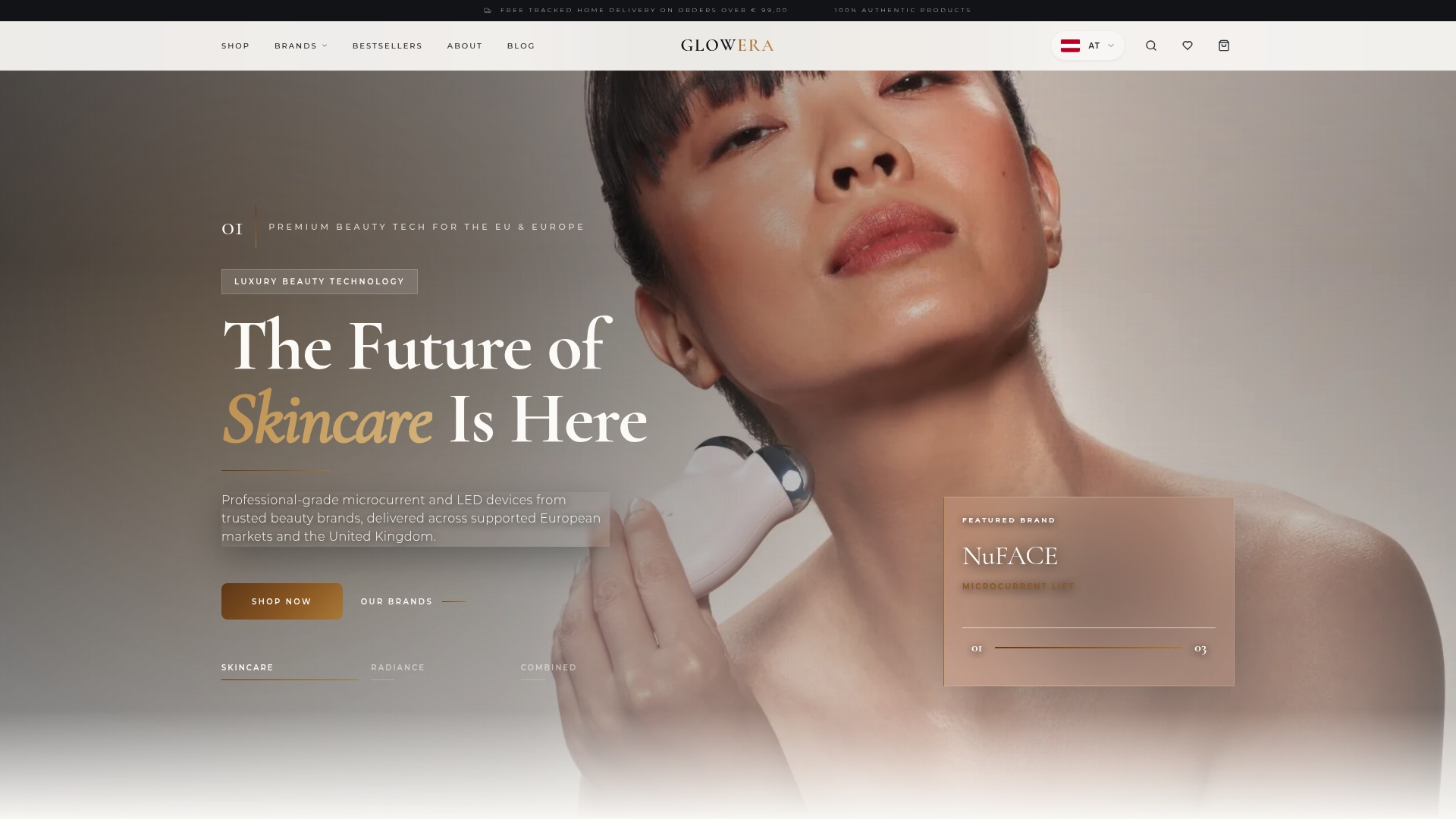
The NuFACE MINI+ Starter Kit is a strong starting point for microcurrent beginners. The CurrentBody RF device adds radiofrequency tightening for those ready to layer modalities. For LED support, the full LED skincare range covers red and near-infrared therapy to complement any device protocol.
Every product ships with full brand authorization and authentic warranty coverage. Browse the full device range at Glowera and find the right starting point for your skin goals.
Useful sources for further reading
- American Academy of Dermatology — evidence-based guidance on retinoids, sunscreen, and skin aging; reliable for prevention and topical care claims.
- American Society of Plastic Surgeons — patient education on surgical procedures, candidacy criteria, and what to expect from consultations.
- Cleveland Clinic: Cheek Lift (Midface Lift) — detailed procedural overview including recovery timeline and candidate criteria.
- PubMed: Thread Lift Clinical Studies — peer-reviewed research on PDO/PLLA thread lift outcomes, durability, and side effects.
- Glowera at-home beauty devices — microcurrent, RF/EMS, and LED devices for early-stage sagging and post-treatment maintenance.