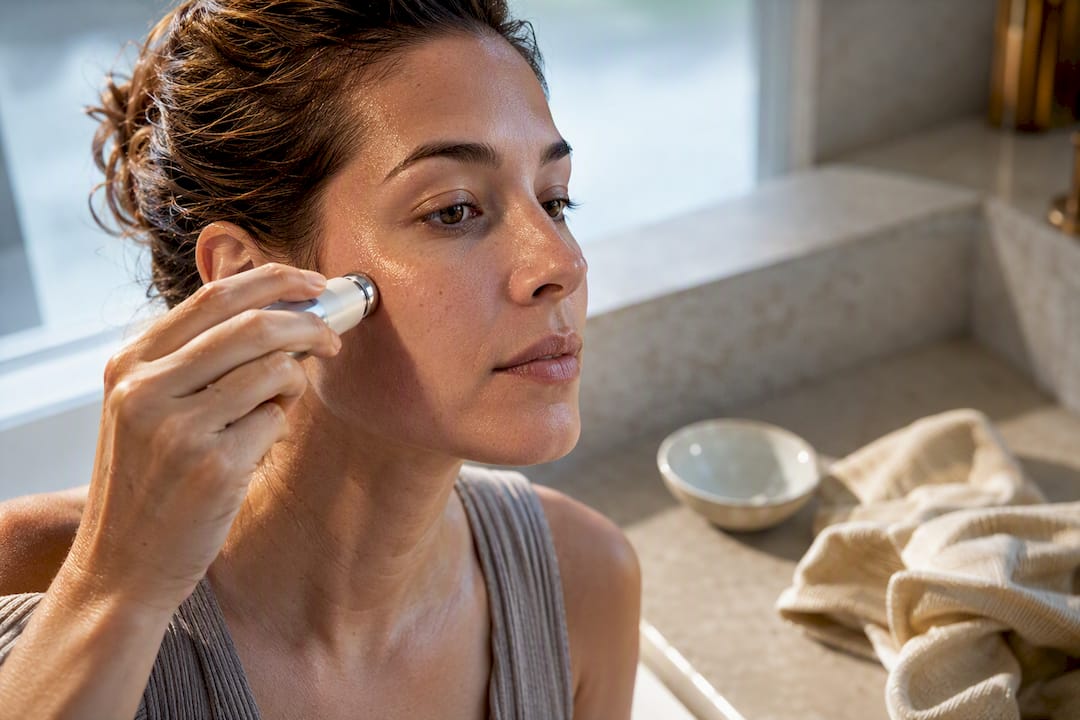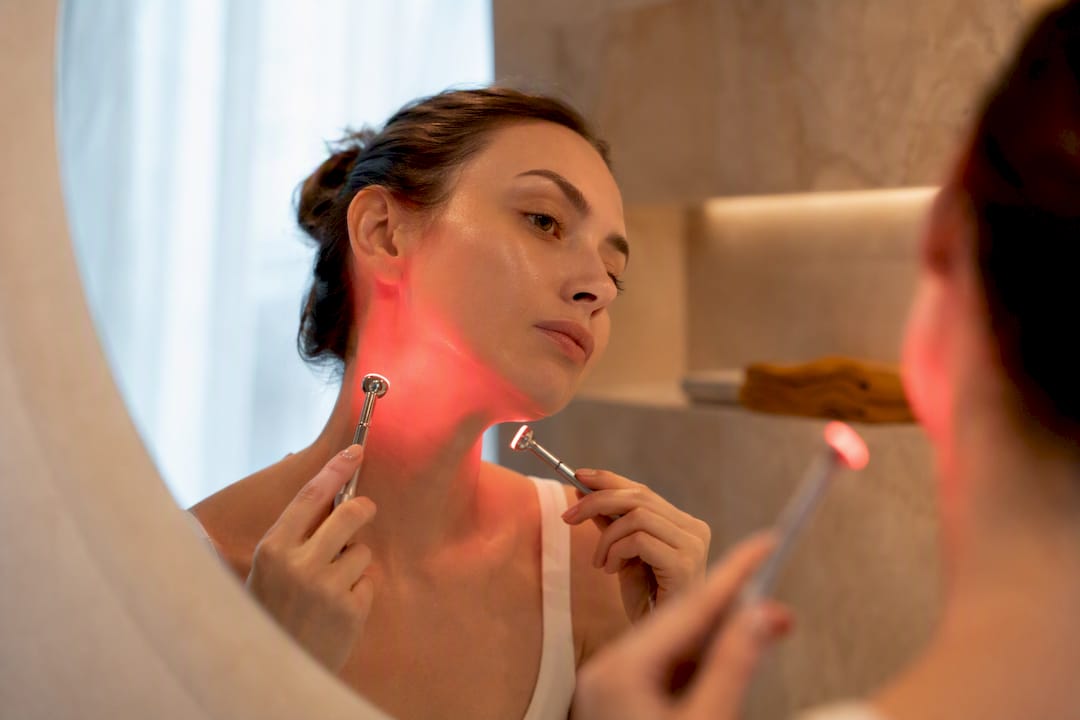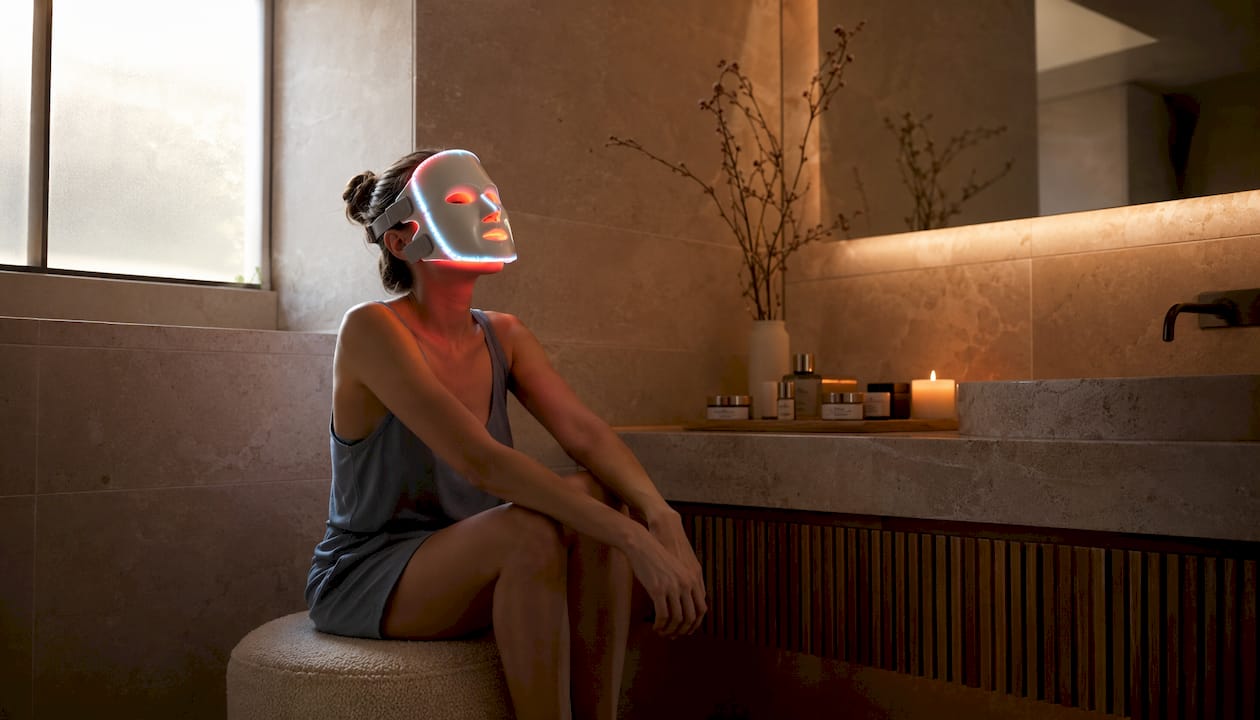
LED face masks are defined as wearable light therapy devices that emit specific wavelengths of red, blue, or near-infrared light to stimulate skin cells and treat cosmetic concerns. The clinical term for this process is photobiomodulation. Most dermatologists consider at-home LED therapy generally safe, but led face mask side effects are real and range from mild skin irritation to rare but serious eye damage. Understanding both the benefits and the risks helps you use these devices confidently and without harm.
What are the common side effects of LED face masks?
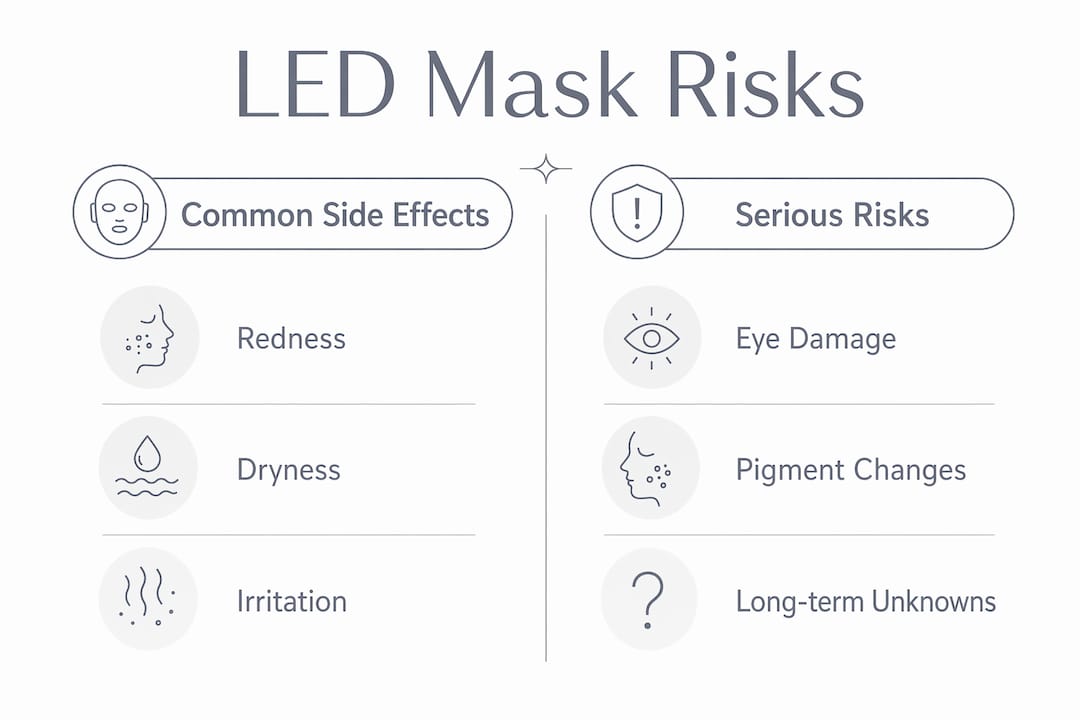
LED masks generally produce mild and transient side effects, including redness, dryness, irritation, and occasional peeling. These reactions are predominantly linked to exposure parameters such as session length, light intensity, and the area of skin treated. Most resolve within hours of use.
The most frequently reported LED mask effects include:
- Skin redness and warmth directly after a session, especially with higher-intensity devices
- Dryness or tightness, particularly with blue light wavelengths used for acne treatment
- Mild peeling after repeated sessions, similar to a light chemical exfoliation response
- Eye sensitivity, including temporary light sensitivity or discomfort if the eyes are exposed during treatment
- Headaches, which can occur from prolonged light exposure or device flicker in sensitive individuals
Pigmentary changes, including melasma, may occur in people with higher Fitzpatrick skin phototypes. Visible light exposure without strict photoprotection can trigger or worsen hyperpigmentation in these skin types. If you have a medium to deep skin tone, this risk deserves attention before you start regular sessions.
Pro Tip: Apply a broad-spectrum SPF 30 or higher every morning on days you use your LED mask. Visible light, not just UV, can stimulate pigment production in susceptible skin.
What are the serious risks of LED face masks?
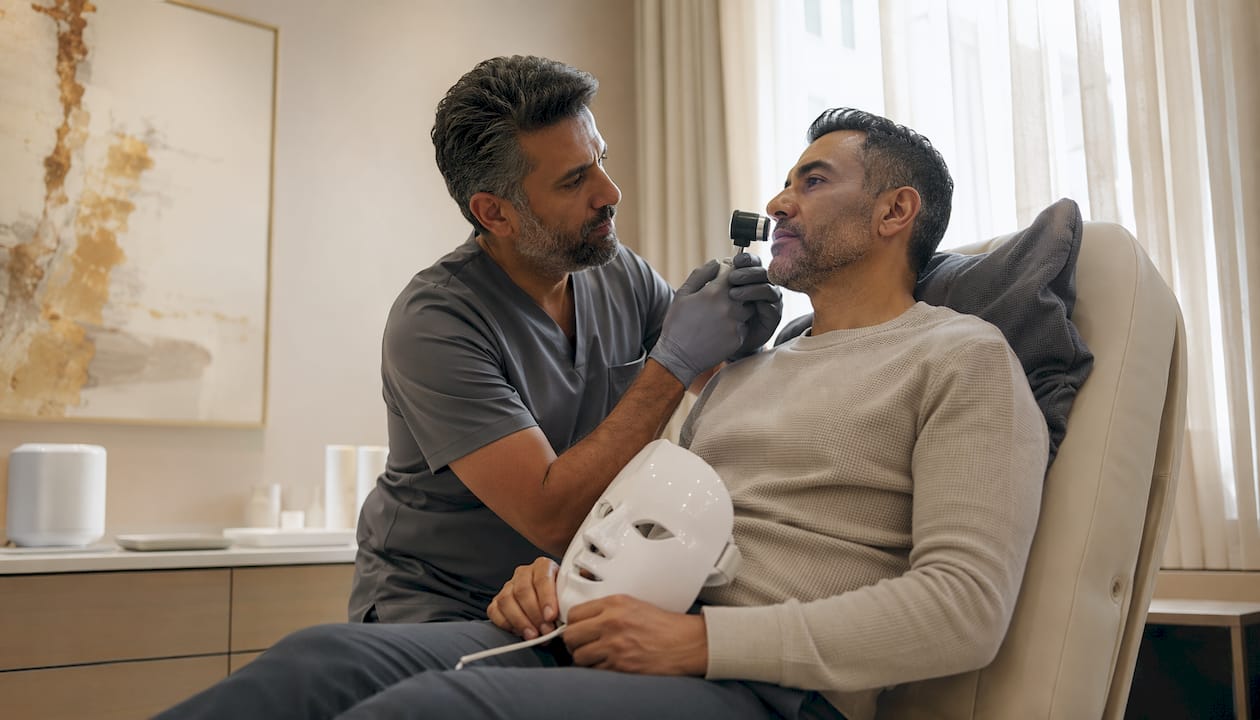
The most significant safety concern with LED therapy is eye damage. Blue light can cause photochemical retinopathy if the eyes are not properly protected during a session. This type of retinal damage is cumulative and may not produce immediate symptoms, making it especially dangerous for people who use masks frequently without adequate eye shields.
The serious risks worth knowing before you start:
- Photochemical retinopathy from blue light exposure without proper eye protection. The retina absorbs blue wavelengths efficiently, and repeated unprotected exposure can cause lasting damage.
- Seizure or migraine triggering in susceptible individuals. People with epilepsy or seizure disorders should avoid LED masks entirely due to the light flicker that many devices produce.
- Photosensitivity reactions in people taking medications such as tetracycline, doxycycline, naproxen, or hydrochlorothiazide. These medications increase skin and eye sensitivity to light, raising the risk of burns or inflammation.
- Worsening of autoimmune skin conditions such as lupus, which can flare with light exposure.
- Uncertain long-term cumulative effects. Only about 18 months of safety data exists for at-home LED mask use. What happens after years of consistent use remains unknown.
The long-term data gap is the most underappreciated risk in consumer LED therapy. Mild short-term reactions are manageable. The absence of evidence about cumulative effects over several years means caution is warranted for anyone planning daily use indefinitely.
How does device quality affect LED mask risks?
Not all LED masks are equal, and the gap between consumer-grade and professional medical devices is significant. Consumer devices often lack power stability and precise irradiance control compared to clinical systems. That inconsistency leads to unpredictable dosing, which can either reduce effectiveness or increase the risk of irritation.
| Feature | Consumer-grade devices | Professional medical systems |
|---|---|---|
| Irradiance stability | Variable, often inconsistent | Tightly controlled and calibrated |
| Contact cooling | Rarely included | Standard in many systems |
| Eye protection | Generic or minimal | Device-specific certified shields |
| Regulatory oversight | Limited | Medical device classification |
| Dosing accuracy | Approximate | Precise and reproducible |
Some consumer LED masks exceed solar irradiance levels at certain wavelengths, a fact that most buyers never encounter in product descriptions. Higher irradiance is not automatically better. Without calibration and cooling, it can cause unintended thermal or photochemical stress on the skin.
User behavior compounds device limitations. Extending sessions beyond the manufacturer’s recommended duration, using a mask daily instead of the suggested frequency, or skipping eye protection all increase risk. The instructions that come with your device are not suggestions. They reflect the parameters tested for safety.
Pro Tip: Before buying any LED mask, check whether the manufacturer publishes irradiance data (measured in mW/cm²) and session time guidelines. Devices that omit this information have not been independently validated for safety.
Marketing claims have outpaced independent safety testing across the wellness industry. This creates real confusion for people trying to make informed choices. A device marketed as “clinical-grade” without published irradiance specs or regulatory clearance is a marketing label, not a clinical designation. Checking for FDA clearance or CE marking is a concrete first step toward safer device selection. You can review LED therapy mask options that include transparent safety specifications to make a more informed comparison.
Who should avoid LED face masks?
Some people face elevated risks from LED therapy and should either avoid it entirely or consult a dermatologist before starting. The contraindications are specific and worth reviewing carefully.
People who should not use LED masks without medical clearance:
- Anyone taking photosensitizing medications, including tetracycline, doxycycline, naproxen, or hydrochlorothiazide. These drugs amplify light sensitivity and can cause severe skin reactions.
- People with photosensitive conditions, such as lupus, porphyria, or solar urticaria. Photosensitive individuals face elevated risks from visible light exposure.
- Anyone with active skin wounds, open lesions, or active rosacea flares. Light therapy over broken skin can worsen inflammation rather than resolve it.
- People with epilepsy or a history of seizures. Device flicker is a documented trigger.
- Pregnant individuals. Safety data for LED therapy during pregnancy does not exist, so avoidance is the standard recommendation.
Unusual or persistent side effects after using an LED mask are a clear signal to stop and seek professional evaluation. Reactions that go beyond mild redness and last more than 24 hours, or any new pigmentation, blistering, or eye discomfort, require a dermatologist’s assessment. Board-certified dermatologists advise that LED masks can offer subtle improvements but should not replace professional care, especially for people with underlying skin conditions.
Choosing a quality device also reduces risk. Look for masks with published wavelength and irradiance data, included eye protection rated for the specific wavelengths emitted, and a clear session protocol. Glowera’s LED skincare range includes devices from verified brands with documented safety specifications, which makes the selection process more straightforward.
Key Takeaways
LED face mask side effects are predominantly mild and manageable, but serious risks exist for specific groups and worsen significantly with improper device use or inadequate eye protection.
| Point | Details |
|---|---|
| Common side effects are mild | Redness, dryness, and irritation are typical and usually resolve within hours of a session. |
| Eye protection is non-negotiable | Standard sunglasses do not block LED wavelengths; only device-specific shields prevent retinal damage. |
| Photosensitivity raises risk | Medications like doxycycline and conditions like lupus significantly increase the danger of LED exposure. |
| Device quality matters | Consumer masks vary widely in irradiance; choose devices with published specs and regulatory clearance. |
| Long-term data is limited | Only about 18 months of safety data exists for at-home use, so indefinite daily use carries unknown risk. |
What I’ve learned from watching the LED mask market evolve
The enthusiasm around LED therapy is understandable. The science of photobiomodulation is real, and clinical studies do support benefits for acne, wound healing, and mild anti-aging effects. What concerns me is the speed at which consumer products have flooded the market without matching the rigor of the clinical research behind them.
The eye protection issue is the one I find most troubling. Most people assume that closing their eyes or wearing sunglasses is sufficient. It is not. Generic eyewear does not block LED wavelengths at the intensities these devices emit. Retinal damage from blue light is silent and cumulative. By the time symptoms appear, the damage is done.
The pigmentation risk for darker skin tones is also underreported in marketing materials. Fitzpatrick skin types IV through VI face a real risk of worsening hyperpigmentation from visible light, yet most device packaging does not flag this clearly. If you have a medium to deep complexion, a conversation with a dermatologist before starting LED therapy is not overcautious. It is the right call.
My honest view is that LED masks work best as a complement to a solid skincare routine, not as a replacement for professional treatment. Used correctly, with proper eye protection, appropriate session frequency, and awareness of your own contraindications, they offer genuine value. Used carelessly, they carry risks that are entirely preventable.
— Gilda
Glowera’s approach to safer LED therapy at home
Choosing the right LED mask is as important as using it correctly. Glowera carries a curated selection of LED therapy devices from verified brands, each with documented wavelength data and usage guidelines so you know exactly what you are working with.
Glowera’s team provides individual guidance on device selection based on your skin type, concerns, and any conditions that might affect your safety. Whether you are new to LED therapy or looking to upgrade to a more reliable device, the range at Glowera covers options with transparent safety specifications and authentic product sourcing. Explore the full selection and reach out to the Glowera team with any questions before you buy.
FAQ
What are the most common LED face mask side effects?
The most common side effects are mild skin redness, dryness, and irritation, which typically resolve within hours. Eye sensitivity and headaches can also occur, particularly with blue light devices or longer sessions.
Are LED face masks safe for all skin tones?
LED masks carry a higher risk of pigmentary changes, including melasma, for people with medium to deep skin tones (Fitzpatrick types IV–VI). Consulting a dermatologist before starting regular use is advisable for these skin types.
Can LED masks damage your eyes?
Yes. Blue light from LED masks can cause photochemical retinopathy without proper eye protection. Standard sunglasses are not sufficient; only device-specific certified eyewear prevents retinal damage.
Who should not use an LED face mask?
People taking photosensitizing medications such as doxycycline or naproxen, those with conditions like lupus or epilepsy, and pregnant individuals should avoid LED masks or seek medical clearance first.
How long is it safe to use an LED face mask?
Safety data for at-home LED mask use currently covers only about 18 months of use. Following the manufacturer’s recommended session duration and frequency is the safest approach until longer-term research is available.