Which professional LED light therapy machines are FDA-cleared for clinical use?
The strongest options for clinical and spa settings are devices with FDA 510(k) clearance tied to specific wavelengths and anatomical indications, not just broad “anti-aging” marketing claims. Four devices stand out in 2026: the Celluma PRO, the SkinAct ARC LED Light Therapy Dome, the Soli-Lite LED Facial Light Therapy, and the TheraFace LED. Each targets different treatment environments, coverage areas, and budgets.
FDA 510(k) clearance under 21 CFR 878.4810 (Class II therapeutic devices) is the baseline standard for any professional LED therapy device used in the United States. Clearance is indication-specific: red and infrared wavelengths are cleared for periorbital or full-face wrinkles, while blue light at 415nm is cleared for mild to moderate inflammatory acne. Assuming a device covers all conditions just because it emits multiple colors is a compliance risk.
| Device | FDA Clearance | Wavelengths | Treatment Area | Form Factor | Price Range | Key Features |
|---|---|---|---|---|---|---|
| Celluma PRO | 510(k) cleared | Red, blue, infrared | Full face and body zones | Flexible panel | $$$$ | Multi-condition, flexible array, hands-free |
| SkinAct ARC LED Dome | 510(k) cleared | Red, blue, amber, infrared | Full face | Dome | $$$ | Dome coverage, multi-wavelength, salon-ready |
| Soli-Lite LED Facial Light Therapy | 510(k) cleared | Red, blue | Face | Panel/wand | $$ | Portable, targeted, entry-level clinical |
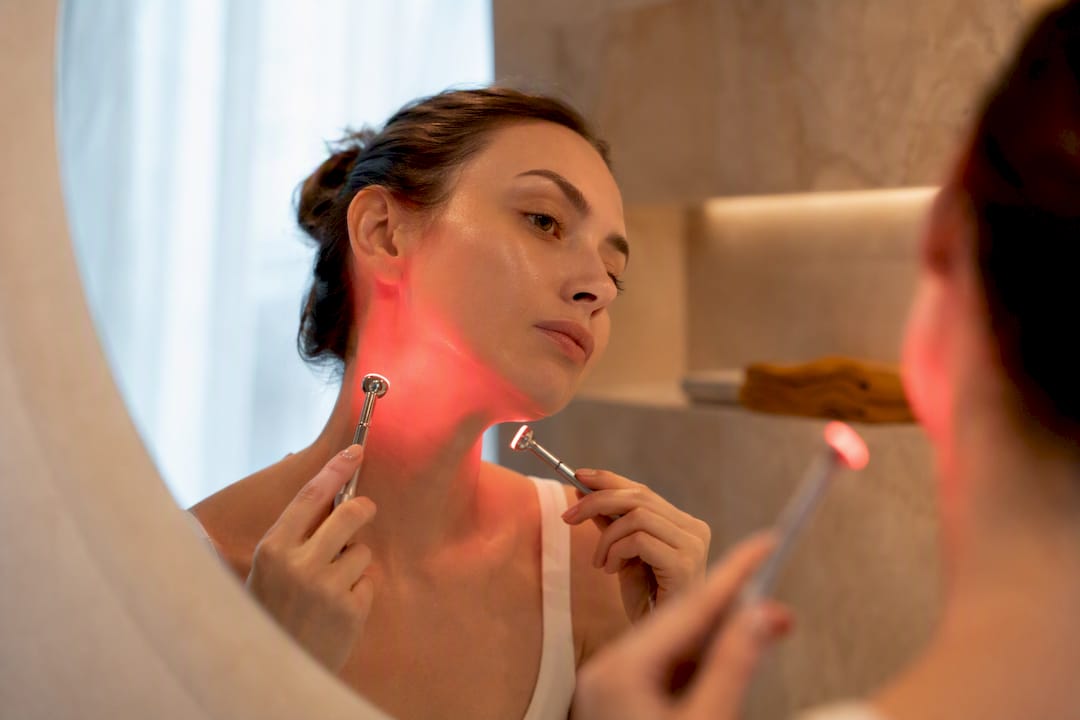
| TheraFace LED | 510(k) cleared | Red (633nm), blue (415nm), IR (830nm) | Periorbital and facial zones | Handheld | $$ | Portable, battery-powered, attachment-based |
Pro Tip: Always request the FDA 510(k) decision number from your device supplier before purchasing. Cross-reference it on the FDA’s 510(k) database to confirm the exact cleared indications, not just the manufacturer’s marketing summary.
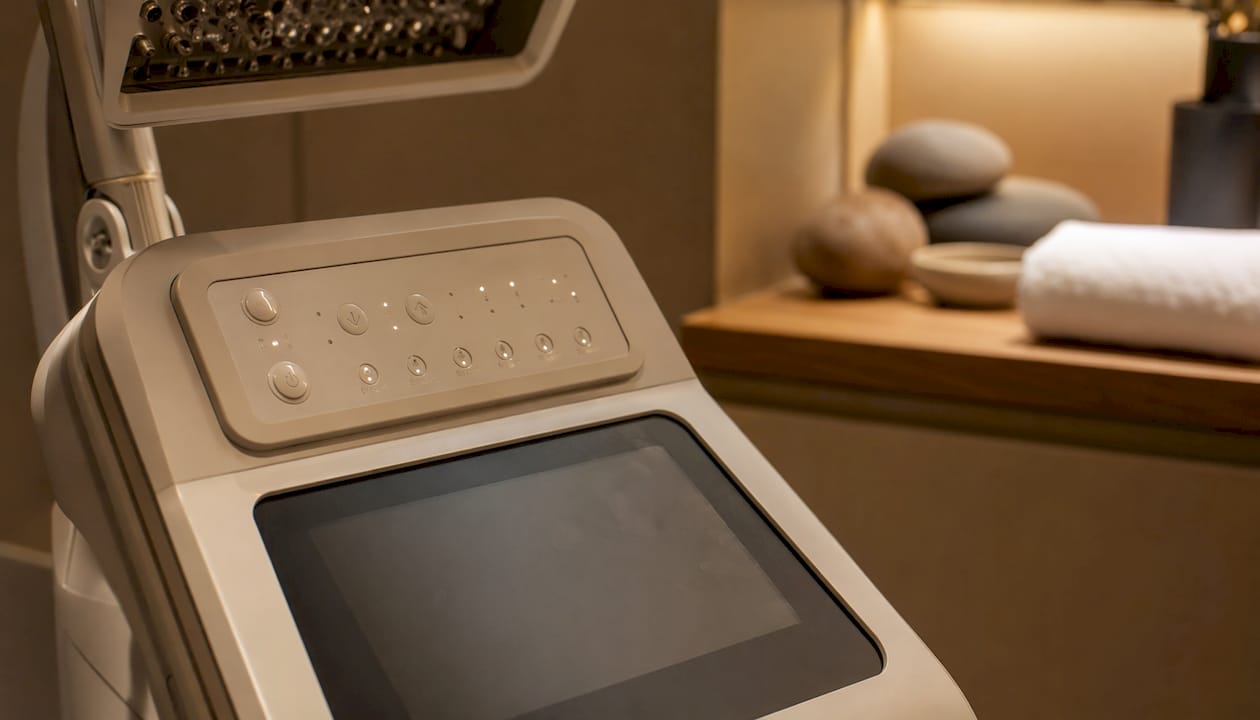
Table of Contents
- Detailed features and clinical specs of leading professional LED devices
- How to choose the right professional LED light therapy machine for your practice
- What every clinician should know about LED dosing and FDA clearance
- Training and certification recommendations for LED therapy operators
- How LED therapy works alongside other professional skin treatments
- Glowera’s selection of professional-grade LED light therapy devices
- Key Takeaways
Detailed features and clinical specs of leading professional LED devices
Celluma PRO
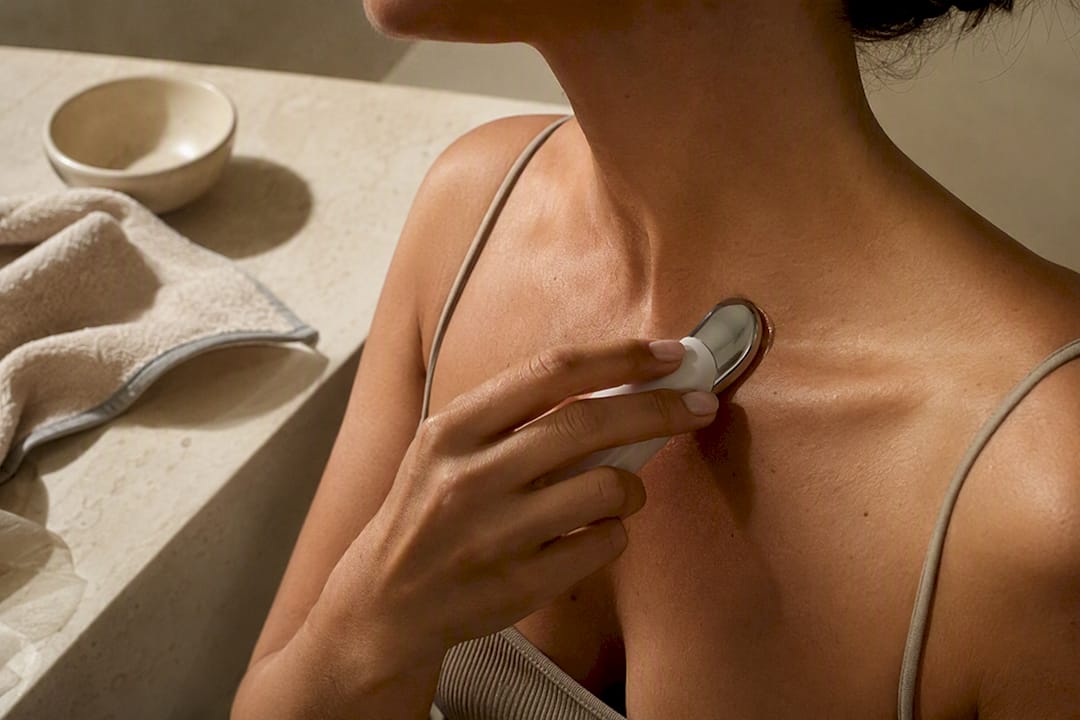
The Celluma PRO is a flexible LED panel designed for professional use across multiple body zones, not just the face. Its flexible array conforms to body contours, which matters when treating the neck, décolletage, or back alongside facial protocols. It emits red, blue, and infrared wavelengths, covering acne, wrinkle reduction, and musculoskeletal pain indications. Clinics running high treatment volume favor it for its hands-free operation and multi-condition clearance.
- Wavelengths: Red, blue, near-infrared
- Form factor: Flexible panel
- Treatment area: Face and body
- Key features: Hands-free, multi-indication, conforms to skin surface
- Warranty: Manufacturer warranty included; servicing available through authorized dealers
- Price range: Premium tier
SkinAct ARC LED Light Therapy Dome
The dome form factor is one of the most efficient for full-face coverage in a spa or clinic setting. The SkinAct ARC positions the LED array around the face rather than flat against it, which reduces the risk of inconsistent contact and helps maintain a more uniform irradiance across the treatment surface. It supports red, blue, amber, and infrared modes, making it one of the more versatile multi-wavelength options at its price point.
- Wavelengths: Red, blue, amber (605nm), infrared
- Form factor: Dome
- Treatment area: Full face
- Key features: Multi-wavelength, salon-ready design, no direct skin contact required
- Warranty: Varies by retailer; confirm before purchase
- Price range: Mid-to-upper tier
Soli-Lite LED Facial Light Therapy
The Soli-Lite targets practices that need a reliable, portable device for targeted facial treatments without the footprint of a full dome or panel system. It covers red and blue wavelengths, which handles the two most common clinical requests: wrinkle reduction and acne. The lower price point makes it a practical entry into professional LED therapy for smaller practices or those adding LED as a secondary service.
- Wavelengths: Red, blue
- Form factor: Panel or wand style
- Treatment area: Targeted facial zones
- Key features: Portable, lightweight, straightforward operation
- Warranty: Manufacturer warranty; check model-specific terms
- Price range: Entry-to-mid tier
TheraFace LED
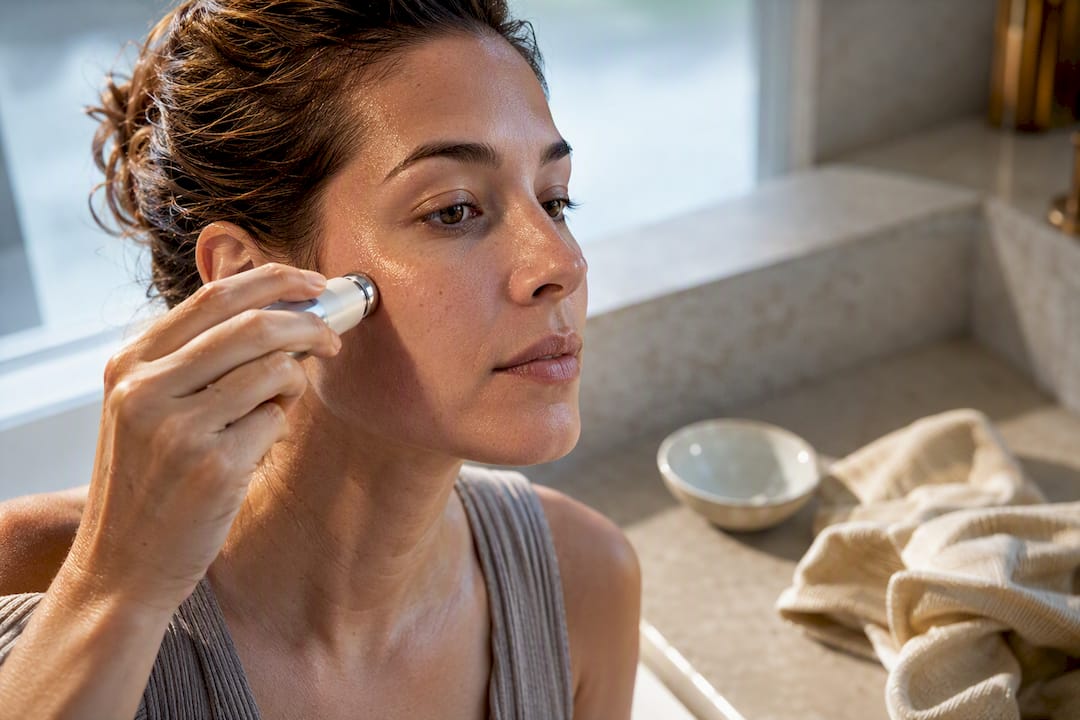
The TheraFace LED, cleared by the FDA in December 2021 (K212155), is a handheld, battery-powered device that uses red (633nm), blue (415nm), and infrared (830nm) wavelengths. Its clearance is anatomically specific: red and red plus infrared for periorbital wrinkles, blue for mild to moderate inflammatory acne. Treatment time runs 5–7 minutes per zone, which fits neatly into a multi-step facial protocol. The attachment-based design lets practitioners swap LED rings without replacing the entire unit.
- Wavelengths: Red 633nm, blue 415nm, IR 830nm
- Form factor: Handheld with interchangeable attachments
- Treatment area: Periorbital and facial zones
- Key features: Battery-powered, portable, multi-mode selection via control button
- Warranty: Manufacturer warranty through Theragun, Inc.
- Price range: Mid tier
| Feature | Celluma PRO | SkinAct ARC Dome | Soli-Lite | TheraFace LED |
|---|---|---|---|---|
| FDA 510(k) | Yes | Yes | Yes | Yes (K212155) |
| Wavelengths | Red, blue, NIR | Red, blue, amber, NIR | Red, blue | 633nm, 415nm, 830nm |
| Form factor | Flexible panel | Dome | Panel/wand | Handheld |
| Wireless | No | No | Varies | Yes (battery) |
| Multi-wavelength | Yes | Yes | No | Yes |
| Best for | Multi-zone, high volume | Full-face spa | Targeted, portable | Periorbital, acne |
How to choose the right professional LED light therapy machine for your practice
Start with your treatment menu, not the device specs. A practice focused on acne management needs a device with a cleared blue light indication at 415nm. A clinic running anti-aging facials needs red or red plus infrared clearance for wrinkles. Buying a device with impressive wattage but the wrong cleared indication creates a compliance gap that no marketing claim can close.
Once you’ve matched indications, evaluate these parameters in order:
- Wavelength accuracy: Confirm the manufacturer’s stated wavelengths match the FDA-cleared indication. Red at 633nm and infrared at 830nm are the most clinically validated ranges for wrinkle indications.
- Irradiance (mW/cm²): Higher irradiance shortens treatment time, but only if the beam area is accurately reported. Verified irradiance values and treatment area together determine actual dose delivery.
- Treatment area coverage: A dome covers the full face uniformly. A handheld device requires zone-by-zone treatment, which adds time per client.
- Form factor and workflow: Panels and domes suit high-volume spa environments. Handheld devices work better for targeted add-on treatments within a longer facial protocol.
- Training and support: Confirm the manufacturer or distributor offers operator training, clinical protocols, and accessible technical support.
- Warranty and servicing: Professional devices in daily use need a clear servicing path. Ask specifically about irradiance recalibration services, not just hardware replacement.
Pro Tip: Before committing to any device, ask the manufacturer for beam parameter documentation: wavelength, irradiance at the treatment distance, beam area, and pulse parameters. A supplier who cannot provide this data is selling marketing, not clinical equipment.
What every clinician should know about LED dosing and FDA clearance
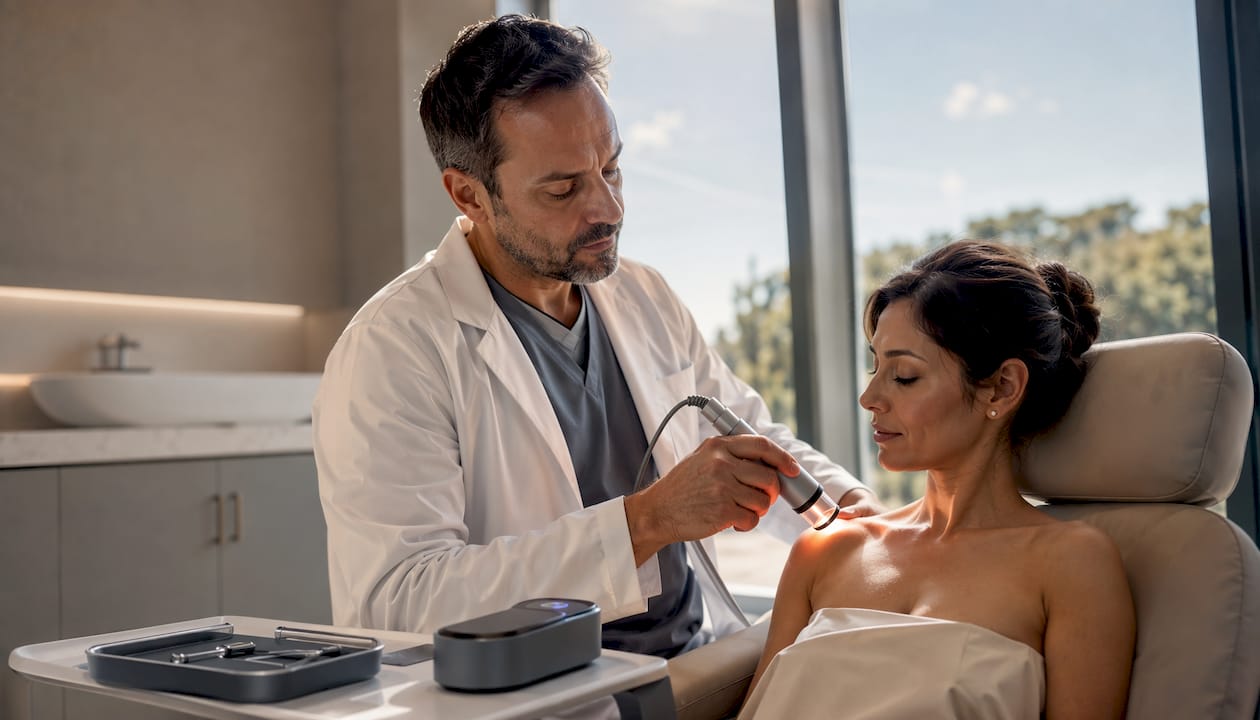
Marketing metrics like LED count and wattage tell you almost nothing about therapeutic dose. What actually determines whether a treatment works is the combination of eight beam parameters: wavelength, power, irradiation time, beam area at the skin surface, pulse parameters, anatomical location, number of treatments, and interval between sessions. Professional devices that cannot supply verified data on all eight should be evaluated with caution.
Key clinical insight: Output power typically decreases as a device warms up and continues to drop as the device ages. Periodic irradiance checks are not optional in a busy clinic. They are the only way to confirm that the dose delivered in month twelve matches what was delivered in month one.
Under-dosing is the most common reason LED therapy outcomes fall short of expectations in clinical practice. The cause is rarely the wrong wavelength. More often it comes down to incorrect device distance, inconsistent skin contact, or a beam area that does not match the treatment zone. A device held two inches farther from the skin than specified can deliver a fraction of the intended dose.
FDA clearance adds another layer of specificity that practitioners often underestimate. The TheraFace LED’s clearance, for example, specifies periorbital wrinkles, not full-face wrinkles. Using it across the entire face for wrinkle reduction is off-label. Intake forms and treatment protocols should document the intended indication for every LED session, both for clinical accuracy and liability protection.
- Verify FDA 510(k) clearance number and read the actual cleared indications, not just the product description
- Log device warm-up time before each session and measure irradiance periodically with a calibrated meter
- Document device-to-skin distance in your treatment protocol and train every operator to maintain it consistently
- Schedule annual or biannual irradiance calibration checks, especially for devices used daily
Training and certification recommendations for LED therapy operators
No federal law currently mandates a specific LED therapy certification for estheticians or spa operators in the United States, but state cosmetology and esthetics boards set scope-of-practice rules that vary significantly. In states like California and New York, medical-grade devices may require physician oversight or a licensed medical esthetician credential. Checking your state board’s current guidelines before adding any FDA-cleared device to your service menu is the responsible first step.
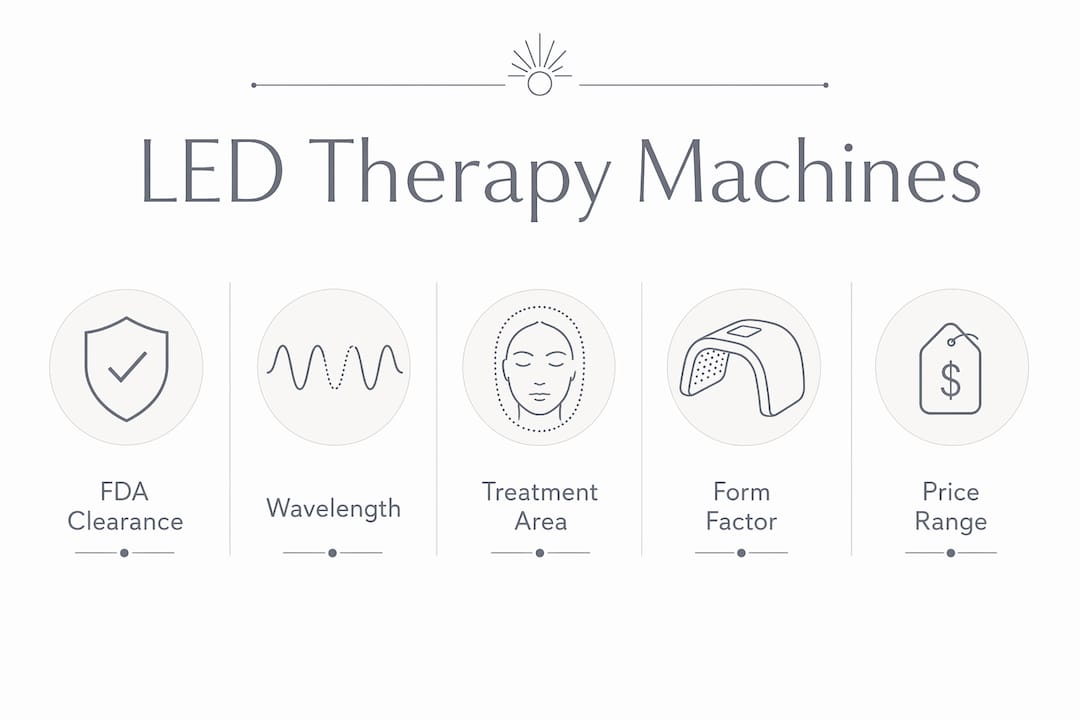
Beyond regulatory compliance, manufacturer-led training is the most direct path to clinical competency. Most professional device suppliers offer either in-person or online operator training covering device setup, treatment protocols, contraindications, and safety procedures. Completing this training before treating clients protects both the client and the practice.
Continuing education through organizations like the Society of Clinical and Medical Hair Removal (SCMHR) or the American Association of Cosmetology Schools (AACS) can supplement device-specific training with broader photobiomodulation science. Understanding the Fitzpatrick scale is particularly useful when screening clients, since certain skin types and conditions affect LED treatment suitability and session parameters. Contraindications to document and screen for include active photosensitizing medications, pregnancy, epilepsy triggered by light, and active skin infections in the treatment zone.
How LED therapy works alongside other professional skin treatments
LED therapy integrates cleanly with most professional skin treatment modalities because it is non-thermal and non-ablative. It does not create downtime, which makes it a practical add-on to treatments that do. Post-microneedling and post-chemical peel protocols benefit from red and infrared LED sessions because the wavelengths support the skin’s natural repair process without adding thermal stress to already-compromised tissue.
Pairing LED with microcurrent is a common spa protocol. Microcurrent addresses muscle tone and facial contouring, while red LED targets surface-level wrinkles and skin texture. The two modalities work on different tissue layers and do not interfere with each other, so sequencing them in a single appointment is straightforward. Microcurrent is typically performed first, followed by LED to close the session.
Radiofrequency (RF) and LED can also be sequenced, though not simultaneously. RF generates heat in the dermis to stimulate collagen, while LED works at lower energy levels on cellular photoreceptors. Running LED after RF, once skin temperature has normalized, is the standard approach. Electroporation, used to drive serums deeper into the skin, pairs well with LED when the goal is combining ingredient delivery with light-based cellular stimulation. The NuFACE TRINITY+ LED attachment is one example of a device that combines red and infrared LED with a microcurrent platform in a single treatment tool.
Glowera’s selection of professional-grade LED light therapy devices
If you’ve been comparing clinical devices and want a curated source with verified authenticity, Glowera carries a selection of professional LED therapy devices from brands including NuFACE, CurrentBody, and Dr. Dennis Gross, all 100% authentic and shipped directly to practitioners across the EU and UK.
What sets Glowera apart from a generic marketplace is the combination of brand-authorized stock and individual consultation support. You’re not sorting through unverified listings. Every device comes from a trusted brand, and the team can help match the right device to your specific treatment menu and client base. Glowera also carries compatible conductive gels and targeted serums, so you can build a complete protocol rather than sourcing accessories separately.
Browse the full LED skincare collection to compare devices by wavelength, form factor, and clinical application, or reach out directly for a product recommendation tailored to your practice.
Key Takeaways
FDA-cleared professional LED light therapy machines require matching the device’s specific cleared wavelengths and anatomical indications to your clinical treatment goals, with verified beam parameters and periodic irradiance calibration to maintain consistent dosing.
| Point | Details |
|---|---|
| FDA clearance is indication-specific | Clearance covers exact wavelengths and anatomical zones; off-label use requires documentation and carries compliance risk. |
| Eight beam parameters determine dose | Wavelength, irradiance, beam area, and treatment interval all affect clinical outcomes, not wattage or LED count alone. |
| Power output decreases over device lifetime | Periodic irradiance checks are necessary to confirm consistent dosing as devices age or warm up during sessions. |
| Under-dosing is a distance and contact problem | Incorrect device-to-skin distance and inconsistent contact are the leading causes of suboptimal LED therapy results. |
| Glowera offers authenticated professional devices | Glowera’s curated selection includes FDA-cleared LED devices from NuFACE, CurrentBody, and Dr. Dennis Gross with direct practitioner support. |